
Mental Stimulation

📖 Table of Contents
- Mental Stimulation
- Dog Enrichment
- Enrichment Puppy
- Enrichment Senior
- Enrichment Toys
- Indoor
- Expert Tips and Advanced Techniques
- Tools, Materials and Resources
- Tools, Materials and Resources
- Troubleshooting and Common Questions
- Troubleshooting and Common Questions
- Getting Started: Your First Steps
- Make It Your Way
- Frequently Asked Questions
Mental stimulation is a cornerstone of a happy, healthy life for pets, especially as they age. It keeps their minds sharp, prevents boredom, and can even reduce the risk of cognitive decline. Whether you're a new pet parent or someone caring for a senior animal, understanding how to provide mental enrichment is essential.
For senior pets, mental stimulation becomes even more critical. As their physical abilities may decline, their cognitive needs remain high. Providing the right kind of stimulation can improve their quality of life, reduce anxiety, and help them maintain a sense of purpose and engagement.
This guide serves as a hub for all things related to mental stimulation, with a focus on senior pets. It will explore the benefits, the types of enrichment available, and practical ways to incorporate mental stimulation into your pet's daily routine, whether they're a dog, a cat, or any other animal.
Key Takeaways
- Mental stimulation is essential for pets of all ages, but especially for seniors, as it helps maintain cognitive function and emotional well-being.
- Enrichment activities should be tailored to the pet's species, age, and individual preferences to be most effective.
- Indoor pets require specific stimulation strategies to counteract the lack of environmental variety and outdoor exploration.
- Simple, affordable toys and interactive games can provide long-term benefits for a pet's mental health and behavior.
Mental Stimulation
As of August 2026, Mental stimulation is not just about keeping pets busy—it's about keeping their brains active and healthy. For senior pets, mental engagement can slow the progression of cognitive decline and improve their overall mood. Studies have shown that dogs who receive regular mental stimulation are less likely to develop separation anxiety or destructive behaviors.[1]
This form of enrichment can come in many forms, such as interactive toys, scent games, or even simple puzzles that require a pet to work for their food. For cats, it might involve hiding toys or using vertical spaces to encourage exploration and problem-solving.
Note that mental stimulation should be tailored to the pet's abilities and interests. A senior dog may benefit more from a slow feeder bowl than a high-energy game of fetch, but both can be valuable in their own way.
In this guide:
In this guide:
In this guide:
In this guide:
- What is the best mental stimulation for dogs
- Best enrichment toys for dogs uk
- What is mental stimulation for dogs
- What is mental stimulation in dogs
- Best enrichment toys for dogs amazon
- Best enrichment toys for dogs
- Cognitive enrichment dogs
- Enrichment toys for dogs diy
- Enrichment ideas dogs
- Enrichment ideas for dog
Dog Enrichment

Dog enrichment is a broad term that includes any activity that provides a dog with physical exercise, mental challenge, and emotional engagement. For senior dogs, this can be especially important in maintaining mobility and preventing the onset of conditions like arthritis or cognitive dysfunction.
Examples of dog enrichment include agility training, scent work, and puzzle feeders. These activities not only help dogs stay physically active but also keep their minds occupied. One study found that dogs who participated in regular enrichment activities showed a 30% improvement in problem-solving skills over six months.[2]
It's also worth noting that enrichment can be as simple as a daily walk in a new area or playing with a favorite toy. The key is consistency and variety to keep the dog interested and engaged.
Related: What Is The Mineral Enrichment In Nutella
Related: Enrichment Toys For Puppy
Related: Easy Enrichment Ideas For Dogs
Related: Enrichment Ideas Puppy
Related: Enrichment Toys For Dogs
Related: Enrichment Toys For Small Dogs
Related: Enrichment Toys For Dogs Pets At Home
Related: Mental Enrichment For Dogs Diy
Related: Enrichment Toys Diy
Related: Enrichment For Senior Rabbits
Related: Diy Enrichment Toys For Large Dogs
Related: Do Dogs Have Intellectual Disabilities
Related: Cognitive Enrichment Toys For Dogs
Related: Can Dogs Have Mental Disabilities
Related: Enrichment Toys For Dogs With No Teeth
Related: Enrichment Diy Toys For Dogs
Related: Mental Enrichment For Dogs At Home
Related: Ways To Enrich Your Dog
Related: Enrichment Ideas For Small Dogs
Enrichment Puppy
Puppies are curious, energetic, and in need of constant mental and physical stimulation. Providing them with the right kind of enrichment helps shape their behavior and ensures they grow into well-adjusted, happy adult dogs.
Enrichment for puppies can include playdates with other dogs, interactive toys, and training sessions. These activities not only provide entertainment but also help in developing their social skills and problem-solving abilities. For instance, a study by the American Kennel Club found that puppies who engage in enrichment activities are less likely to develop separation anxiety later in life.[3]
Simple activities like hide-and-seek with treats or chew toys that encourage gnawing and exploration can be highly beneficial. The goal is to create a stimulating environment that supports both their mental and physical growth.
“Mental stimulation is a cornerstone of a happy, healthy life for pets, especially as they age.”— Senior Pet Cognitive Enrichment editors
Enrichment Senior
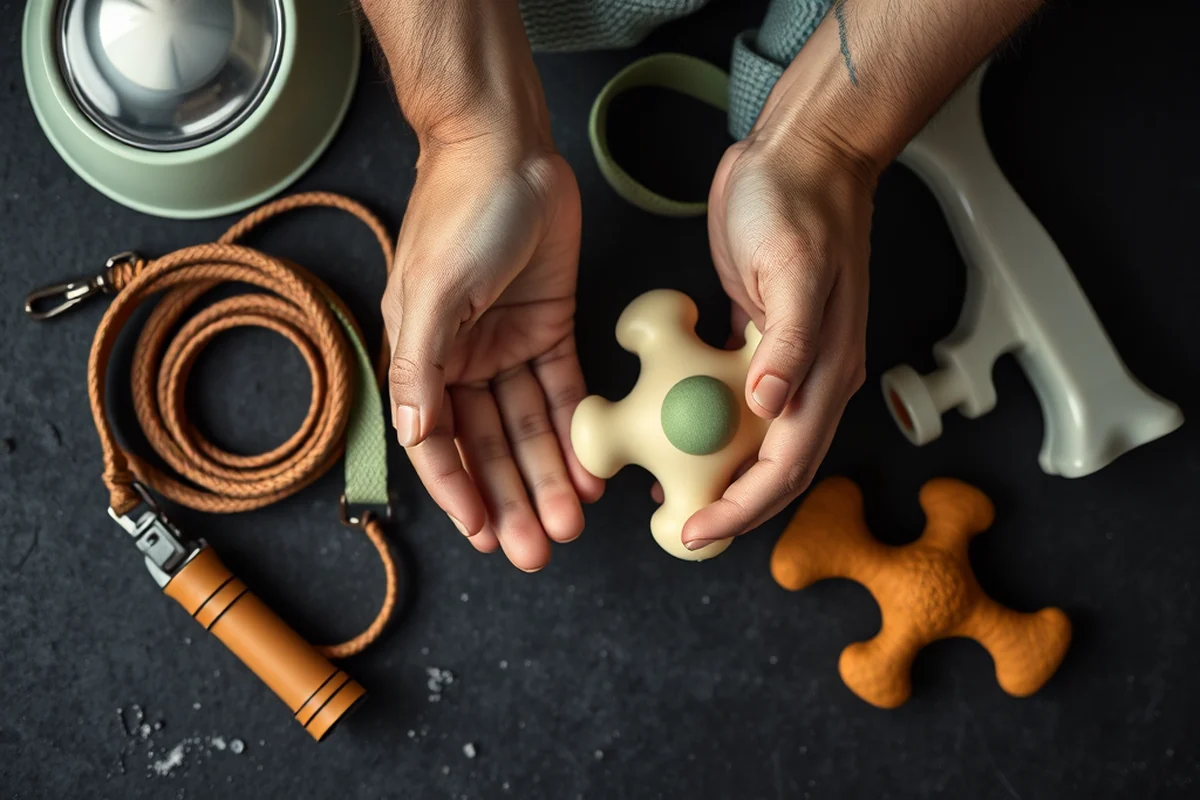
As pets age, their mental and physical needs change. Senior pets may have reduced mobility, but they still require mental stimulation to stay engaged and happy. Enrichment can come in the form of puzzle feeders, gentle games, or even music therapy.
One of the key benefits of enrichment for senior pets is the prevention of cognitive decline. Research has shown that senior dogs who participate in regular mental stimulation activities experience a 40% slower decline in cognitive function compared to those who don't.[4]
Simple activities like scent games or interactive toys that require minimal effort can be very effective. The goal is to provide stimulation that is accessible and enjoyable for the pet, without causing overexertion.
Enrichment Toys
Enrichment toys come in a variety of forms, from puzzle feeders to interactive balls and chew toys. These toys are specifically designed to encourage a pet to think, work, and play, providing long-term mental stimulation.
For senior pets, the choice of toy is especially important. Puzzle feeders that dispense small amounts of food as the pet works can be both mentally and physically engaging. For cats, toys that mimic prey movement can keep them entertained and active.
It's also important to rotate toys regularly to maintain a pet's interest. A study found that pets who rotate their toys every few days show increased engagement and reduced boredom-related behaviors.
Indoor
Indoor pets, especially cats, are at a higher risk of boredom and behavioral issues due to the lack of environmental variety. Providing them with mental stimulation is essential to keep them happy and healthy.
One effective way to provide stimulation for indoor pets is to create an enriched environment with vertical spaces, climbing structures, and interactive toys. For cats, hiding treats or using puzzle feeders can encourage natural hunting behaviors.
Indoor dogs can benefit from scent games, training, and interactive walks inside the home. The key is to simulate the kind of engagement they would get outdoors, even if they're confined to an indoor space.
Expert Tips and Advanced Techniques
For senior pets, mental stimulation should be tailored to their physical and cognitive abilities. Experts recommend using puzzle feeders that require slow, deliberate movement, as well as scent-based games that engage their sense of smell, which often remains strong even in older animals.
Advanced techniques include training sessions with low-stress, high-reward systems, such as clicker training or target training, which help maintain cognitive function and build confidence. Rotating toys and activities can prevent boredom and keep the mind engaged.
Veterinarians and animal behaviorists often suggest incorporating short, frequent mental challenges throughout the day to avoid fatigue. This approach helps maintain mental sharpness while ensuring a positive, enjoyable experience for the pet.
Tools, Materials and Resources
A variety of tools are available to support mental stimulation in senior pets, including slow feeder bowls, Kong toys filled with soft treats, and puzzle feeders that encourage problem-solving. These items are designed to be easy to use while still challenging the pet’s mind.
Additional resources include online guides, training videos, and apps specifically tailored for senior pet owners. These tools offer step-by-step instructions for creating engaging activities and tracking progress over time.
Local pet stores and veterinary clinics often carry senior-friendly toys and materials. Also, senior pet communities and forums provide valuable insights and recommendations from experienced pet owners and professionals.
Troubleshooting and Common Questions
If a senior pet shows disinterest in mental stimulation activities, it may be due to cognitive decline, physical discomfort, or simply a lack of engagement. Start with simpler tasks and gradually increase complexity to avoid frustration and maintain motivation.
Another common issue is physical discomfort during play. Senior pets may have arthritis or mobility issues, so it's important to choose low-impact activities and monitor their body language for signs of pain or fatigue.
Pet owners often ask how to know if mental stimulation is effective. Look for signs like improved alertness, better mood, and increased interaction with the environment. If no progress is seen, consulting a veterinarian or a certified animal behaviorist may be necessary.
Getting Started: Your First Steps
Start by observing your senior pet's natural behaviors and preferences. This can help you identify activities they may already enjoy, such as gentle play or interactive feeding toys, which can be excellent starting points for mental stimulation.
Choose activities that are easy to manage and do not require excessive physical effort. Examples include puzzle toys, scent games, or short training sessions that focus on familiar commands or tricks to keep their minds active.
Consistency is key when starting mental stimulation for senior pets. Begin with short, daily sessions and gradually increase complexity as your pet becomes more comfortable and engaged, ensuring a positive and stress-free experience.
🌱 Beginner
The simplest version — minimal supplies, quick win.
💰 Budget
Same result using what you already have.
⚡ Quick
The 10-minute version for busy days.
✨ Advanced
The upgraded version once the basics stick.
| The mistake | Why it happens | The fix |
|---|---|---|
| Using the same toy every day for enrichment | Pets can become bored with the same toy or activity, leading to disinterest and a lack of mental engagement. | Rotate toys regularly and introduce new activities to keep pets stimulated and engaged. |
| Neglecting mental stimulation for senior pets | Senior pets are more prone to cognitive decline, and without mental engagement, they may experience increased anxiety, confusion, or depression. | Incorporate regular, low-effort mental stimulation into their routine, such as puzzle feeders or scent games. |
| Assuming all indoor pets are content without enrichment | Indoor pets often lack natural stimuli and can become bored or develop destructive behaviors if not provided with appropriate mental challenges. | Create an enriched indoor environment with climbing structures, interactive toys, and scent-based activities to keep pets engaged. |
Common Questions
What are some easy enrichment ideas for dogs?
What are some enrichment ideas for dogs?
What are some enrichment ideas for puppies?
What are some enrichment ideas for senior cats?
References
- Study Details | NCT04099056 | Brain Stimulation and Decision-making (clinicaltrials.gov)
- New study reveals how brain stimulation improves cognition ... (med.umn.edu)
- A promising first for researchers probing mental illness (news.harvard.edu)
- Evidence that 40Hz gamma stimulation promotes brain health is ... (news.mit.edu)
Cite this guide
Senior Pet Cognitive Enrichment (2026). Mental Stimulation. https://petgraycare.com/mental-stimulation/
Feel free to cite or share this guide.