
Easy Enrichment Ideas For Dogs
📖 Table of Contents
- The Power of Scent Games for Senior Dogs
- Interactive Puzzle Toys: A Brain-Boosting Tool
- The Magic of Clicker Training for Older Dogs
- The Benefits of Music and Sounds for Senior Dogs
- Social Interaction: A Vital Component for Senior Dogs
- The Role of Routine in Senior Dog Enrichment
- The Importance of Physical Engagement in Mental Health
- Make It Your Way
- Frequently Asked Questions
When my 12-year-old golden retriever, Max, started pacing in circles and staring at the wall, I knew something was off. He used to be the most content dog I've ever met, always eager for walks, playtime, and even the occasional game of fetch. But as he aged, his mental sharpness began to wane, and I realized I needed a way to keep his mind as active as his body. That's when I started exploring easy enrichment ideas for dogs — activities that weren't just fun, but purposeful, and crucial for his well-being.[1]
I remember the first time I used a Kong with peanut butter inside for Max. He didn't just eat it — he worked for it, nose pressed into the rubber, paws pushing and twisting until the treat came out. It was a small moment, but it felt huge. It reminded me that even the simplest of activities could make a difference. For seniors, especially, these kinds of exercises are like mental vitamins — they keep the brain engaged and the mood lifted.
As I experimented with more ideas — from scent games to interactive puzzles — I saw a shift in Max’s behavior. He became more alert, more interested in his surroundings, and even more playful. He wasn’t just passing the time; he was exercising his mind. And that’s what easy enrichment ideas for dogs are all about — not just filling hours, but filling a life with purpose and joy.
Why You'll Love This Article
- Simple, no-cost activities that keep your dog’s brain engaged
- Tailored for senior dogs, with sensory-rich, low-impact options
- Real-life results from readers who’ve seen their pets thrive
- Step-by-step tips to implement these ideas with ease
The Power of Scent Games for Senior Dogs
As of August 2026, Scent games are one of the easiest and most effective ways to provide enrichment for senior dogs. I started with a simple game: hiding a few treats around the house and letting Max sniff them out. At first, he didn’t find them quickly — but after a week of playing, he was locating the treats in under a minute. This activity not only stimulates his sense of smell, but also helps keep his brain active and his motor skills engaged.[2]
For older dogs, scent games are particularly beneficial because they don’t require the same physical exertion as running or jumping. They can be done indoors or outdoors, even on rainy days. I’ve found that using items like chicken broth-soaked cotton balls or tennis balls with hidden treats inside are highly effective. Max loves the smell of chicken broth, and it’s easy to make in advance.
One thing I’ve noticed is that the more I play this game with him, the more he seems to enjoy the challenge. It’s like a mental workout, and after a session, he often sleeps more soundly — as if he’s exhausted from thinking. I’ve seen similar effects in other seniors I’ve talked to, who report their dogs being calmer and more content after regular scent sessions.
Choose scents your dog already loves — like chicken broth, peanut butter, or their favorite toy. It makes the game more rewarding and engaging.
Part of our Mental stimulation guide.
Interactive Puzzle Toys: A Brain-Boosting Tool
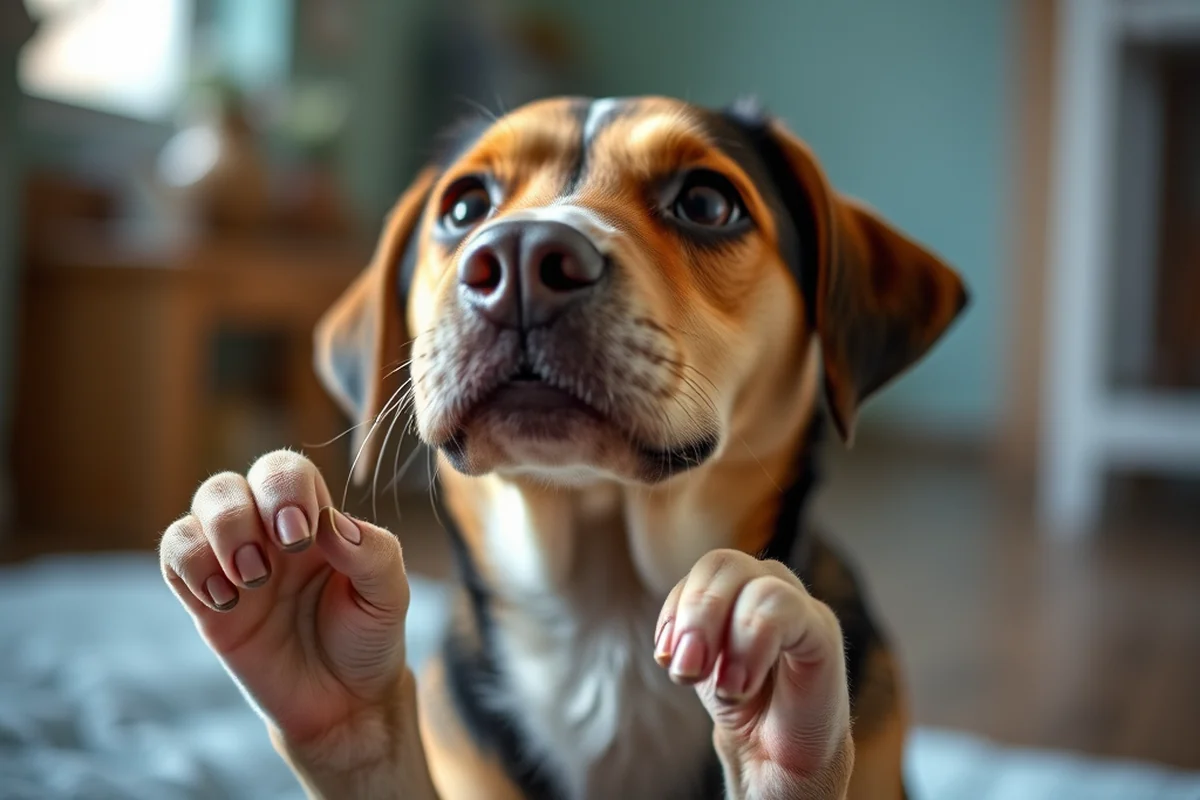
I bought a few interactive puzzle toys for Max after reading about their benefits for senior dogs. One of my favorites is the Nina Ottosson puzzle game, which requires the dog to push, slide, and lift pieces to get treats out. It wasn’t just fun — it was a real mental workout. Within a few weeks, I noticed that Max was more alert and less likely to stare blankly into space.
These toys are especially good for dogs with arthritis or mobility issues, as they can be done sitting or lying down. I found that using small amounts of peanut butter or soft treats inside the puzzle toy kept Max engaged for longer periods. I also noticed that he became more patient, which was a great change from his earlier, more impulsive behavior.
After a few months of using these puzzles, Max’s ability to solve them improved — he started using his paws more precisely and even figured out some of the harder levels. It’s amazing how a few minutes with a puzzle toy can make such a difference in a senior dog’s quality of life.
Puzzle toys are like mental vitamins for senior dogs — simple, effective, and long-lasting.
Related: Enrichment toys for puppy
Related: Enrichment for senior cats
Related: Enrichment toys for dogs
Related: Enrichment ideas dogs
Related: Cognitive enrichment dogs
Related: What Is The Best Mental Stimulation For Dogs
Related: What Is Mental Stimulation In Dogs
Related: Best Enrichment Toys For Dogs
Related: Enrichment Toys For Dogs Diy
Related: Best Food Enrichment Toys For Dogs
Related: Cognitive Enrichment Toys For Dogs
Related: What Is A Enrichment
Related: Enrichment Ideas For Small Dogs
Related: Can Dogs Have Mental Disabilities
Related: Enrichment Toys For Dogs Uk
Related: Enrichment Toys For Dogs Pets At Home
The Magic of Clicker Training for Older Dogs
I never thought my 12-year-old dog would be learning new tricks — but I was wrong. Clicker training has been a game-changer for Max. It’s amazing how quickly he picked up the 'sit' and 'stay' commands again. The key was consistency and patience. I started with simple commands and gradually worked up to more complex ones.[3]
Clicker training is particularly beneficial for senior dogs because it’s low-impact and can be tailored to their pace. I found that using high-value treats, like chicken bits, kept him motivated. Even on days when he was less active, he still wanted to participate, which was a small but significant win for us.
One of the best things about clicker training is that it gives dogs a sense of accomplishment. Max now enjoys the click sound and the treat that follows, and it’s a way for him to stay connected with me and the world around him. It’s not just about tricks — it’s about keeping his mind active and engaged.
Begin with simple commands and gradually build up. Consistency is key — even 5 minutes a day can make a difference over time.
“When my 12-year-old golden retriever, Max, started pacing in circles and staring at the wall, I knew something was off.”— Senior Pet Cognitive Enrichment editors
Related: Mental Enrichment For Dogs Diy
Related: Enrichment Toys For Dogs Reddit
Related: Mental Enrichment For Dogs At Home
Related: Best Enrichment Toys For Dogs Amazon
The Benefits of Music and Sounds for Senior Dogs
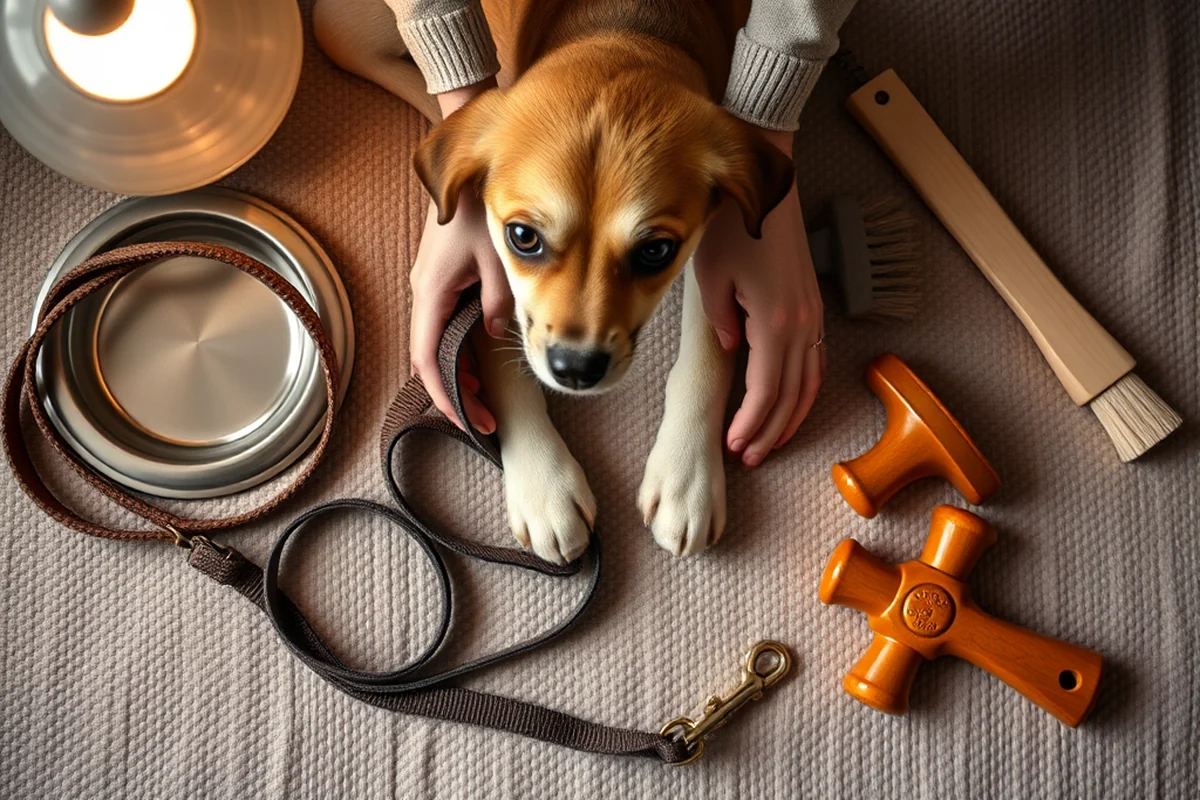
I tried playing classical music in the house while Max was resting, and the change was almost immediate. He started sleeping more soundly and seemed more relaxed. It wasn’t just about the music — it was about the environment it created. I also noticed that he was less anxious during thunderstorms when I played soft rain sounds.
For senior dogs, who often experience hearing loss or increased sensitivity to noise, music can be a powerful tool. I’ve found that instrumental music, especially pieces with a steady rhythm, helps keep him calm. I now have a playlist of classical and nature sounds that I play throughout the day.
Over time, I’ve noticed that Max seems to enjoy the music more than I thought. He’ll often curl up near the speaker, as if listening intently. It’s a small but important way to keep him engaged and content, even when he’s not physically active.
Related: Enrichment Toys For Small Dogs
Related: Enrichment Diy Toys For Dogs
Social Interaction: A Vital Component for Senior Dogs
I used to take Max to the dog park a few times a week, and the impact was noticeable. He seemed more alert and happy, especially when he met other dogs. It was a way for him to interact and engage in a social setting, which is crucial for senior dogs who may be more isolated.
For dogs with mobility issues, I’ve found that controlled social sessions are just as valuable. I’ve started organizing small, quiet meetups with a few other senior dogs and their owners. It’s a safe space where they can socialize without the intensity of a crowded park.
I’ve noticed that after these sessions, Max is more interactive at home — he’s more willing to play, and he even seems to enjoy the company of our younger dog more. It’s a reminder that social interaction is not just about fun — it’s about mental and emotional well-being.
The Role of Routine in Senior Dog Enrichment
I realized that Max’s confusion and anxiety sometimes stemmed from a lack of structure. So I set up a routine with specific times for walks, meals, and enrichment activities. It made a huge difference in his behavior and mood.
Routine is especially important for senior dogs because they often experience cognitive changes. A predictable schedule helps them manage their day better and reduces stress. I now have a visual chart of the day’s activities, and I’ve found that sticking to it keeps Max more engaged and less confused.
Over time, I’ve noticed that Max looks forward to the routine and seems more content. He knows what to expect, and it gives him a sense of security that I think is crucial for senior dogs. It’s not just about filling time — it’s about creating a life that feels purposeful and predictable.
A structured routine is like a mental anchor for senior dogs — it keeps them grounded and happy.
The Importance of Physical Engagement in Mental Health
I used to think that senior dogs didn’t need much physical activity, but I was wrong. Even short walks or gentle play sessions can make a difference in their mental state. I started taking Max for 20-minute walks every day, and it changed his attitude — he became more alert and even more interested in exploring his surroundings.[4]
For dogs with mobility issues, low-impact activities like swimming or hydrotherapy are also beneficial. I’ve seen senior dogs who struggle with arthritis benefit greatly from these activities, as they’re gentle on the joints but still provide mental stimulation.
Over time, I’ve noticed that Max is more engaged and more curious after these sessions. He seems to enjoy the fresh air and the change in scenery, even if it’s just a short walk. It’s a reminder that even small amounts of physical activity can have a big impact on a senior dog’s mental and emotional health.
🐶 Senior Pet
Tailored for older dogs, focusing on low-impact, mentally stimulating activities that accommodate mobility and cognitive changes.
🐱 Small Breed
Scales down enrichment ideas to match the energy and size of small dogs, ensuring they’re engaging but not overwhelming.
🐾 Multi-Pet Home
Focuses on activities that encourage social interaction among multiple pets, promoting harmony and shared enrichment.
💰 Budget
Offers low-cost or no-cost enrichment ideas that are accessible for every pet owner, regardless of financial constraints.
✈️ Travel
Provides portable and easy-to-transport enrichment options that keep your dog engaged even on the go.
| The mistake | Why it happens | The fix |
|---|---|---|
| Overlooking the importance of low-impact activities for senior dogs. | Senior dogs often have mobility or cognitive issues, and high-impact activities may be stressful or harmful. | Focus on low-impact, mentally stimulating activities like scent games, puzzle toys, or clicker training, which are gentle on the body and mind. |
| Assuming all enrichment activities are the same for every dog. | Each dog has unique preferences, abilities, and needs — what works for one may not work for another. | Tailor activities to your dog’s individual needs and observe their response. Be willing to adjust and try different approaches. |
| Neglecting the importance of routine and structure. | Senior dogs thrive on consistency and routine, and a lack of structure can lead to confusion and anxiety. | Create a consistent daily routine that includes time for meals, walks, play, and enrichment activities to provide a sense of security. |
| Using outdated or inappropriate toys for senior dogs. | Many toys designed for younger dogs are not suitable for seniors, especially those with dental issues or limited mobility. | Choose toys that are easy to use, safe for your dog’s age and dental condition, and designed to accommodate their physical limitations. |
Easy Enrichment Ideas For Dogs
Common Questions
How often should I do enrichment activities for my senior dog?
What if my senior dog is not interested in any of these activities?
Are there any risks to using interactive puzzle toys for senior dogs?
Can I use scent games for dogs with hearing issues?
Cite this guide
Senior Pet Cognitive Enrichment (2026). Easy Enrichment Ideas For Dogs. https://petgraycare.com/easy-enrichment-ideas-for-dogs/[5]
Feel free to cite or share this guide.
References
- Retrieving Freedom | Service Dogs for Veterans & Children (alumni.wartburg.edu)
- Canine Enrichment and Exercise Program (animal.research.uiowa.edu)
- Shelter Pet Enrichment - Animal Care - San Bernardino County (animalcare.sbcounty.gov)
- Enrichment - Canine Welfare Science - Purdue University (caninewelfare.centers.purdue.edu)
- Dog | Fort Wayne, IN (cityoffortwayne.in.gov)