
Enrichment Toys For Puppy
📖 Table of Contents
- What Are Enrichment Toys for Puppies?
- Why Enrichment Toys Matter for Puppies
- Types of Enrichment Toys for Puppies
- How to Introduce Enrichment Toys to Your Puppy
- Maximizing the Benefits of Enrichment Toys
- The Long-Term Benefits of Using Enrichment Toys
- When to Seek Help for Enrichment Toy Challenges
- Make It Your Way
- Frequently Asked Questions
When my first puppy, a feisty golden retriever named Luna, came home, I quickly realized that just giving her a squeaky ball and a chew toy wasn’t enough to keep her content. I had read about enrichment toys for puppies, but I didn’t really understand how they worked or why they were important. What I didn’t expect was how much of a difference these toys would make in her behavior, learning, and overall well-being. Within weeks, I saw her become more curious, less destructive, and much more focused. That’s when I truly understood the power of enrichment toys for puppies — they’re not just fun, they’re essential.[4]
I remember the first time I introduced a treat-dispensing puzzle toy to Luna. She stared at it for what felt like an eternity, then started pawing at it with the determination of a professional digger. It took her over 30 minutes to get the treats out, and by the end of the session, she was panting, tired, and utterly delighted. That moment made me realize that these toys weren’t just about keeping puppies busy; they were about stimulating their minds and building their problem-solving skills. Enrichment toys for puppies can be the bridge between a bored, destructive puppy and a well-adjusted, happy dog.[1]
In the weeks that followed, I started experimenting with different types of enrichment toys for puppies — from interactive feeders to hide-and-seek games. Each toy had its own unique way of engaging Luna. Some challenged her to figure out how to extract treats, while others required her to follow commands or work through sequences. I noticed that the ones that required her to use her nose or paws were the ones that kept her engaged the longest. And that’s when I began to see the real value in using these toys — not just as a way to keep her occupied. As a training tool that helped shape her into a more intelligent, well-behaved companion.[5]
Why You'll Love This Article
- Discover how enrichment toys for puppies can boost mental stimulation and reduce destructive behavior.
- Learn the most effective types of enrichment toys for puppies, backed by real-world results.
- Get practical tips on how to introduce and use these toys to keep your puppy engaged and happy.
- Understand the long-term benefits of consistent enrichment, from better obedience to improved emotional stability.
What Are Enrichment Toys for Puppies?
As of August 2026, Enrichment toys for puppies are not your typical squeaky toys or simple chew sticks. These are specialized items that challenge a puppy’s mind and body, promoting healthy development. Whether it’s a puzzle feeder that dispenses treats or a hide-and-seek toy that requires a puppy to find hidden compartments, these toys are crafted to engage a puppy’s natural instincts.[2]
I remember the first time I tried a Kong toy filled with peanut butter. Luna didn’t just chew it — she worked at it. She used her nose, paws, and even her teeth to get the treat out. That’s the power of these toys: they turn simple interactions into learning experiences.
Over time, I’ve learned that the best enrichment toys for puppies are those that encourage exploration, patience, and reward-based learning. These toys help puppies develop confidence and reduce the likelihood of destructive behaviors, like chewing on furniture or barking excessively.
Begin with low-complexity toys like the Kong or a treat ball. Gradually introduce more challenging ones as your puppy gains confidence.
Part of our Mental stimulation guide.
Why Enrichment Toys Matter for Puppies
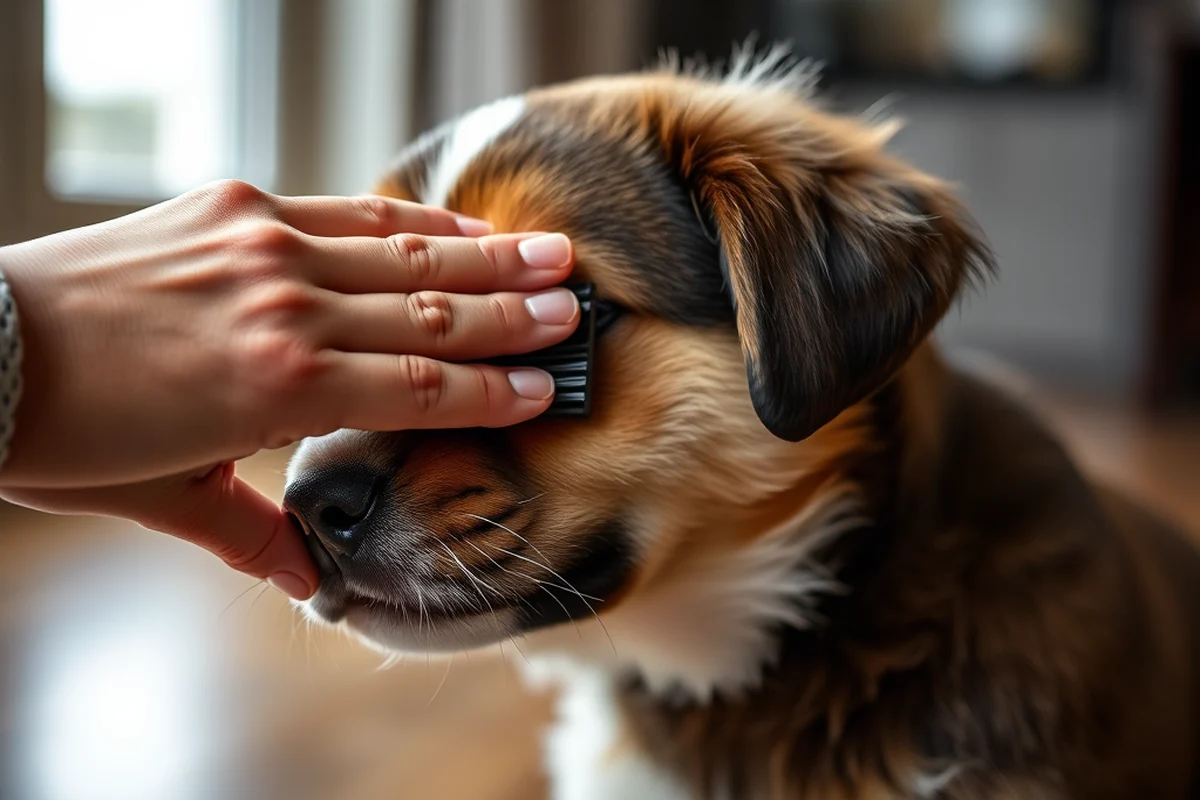
Puppies have boundless energy and curiosity, but without proper stimulation, they can become frustrated and destructive. I’ve seen puppies chew up shoes, knock things off shelves, and bark at nothing — all signs of boredom. Enrichment toys for puppies can be a game-changer in these situations.
When I started using a variety of enrichment toys for puppies, I noticed a dramatic shift in Luna’s behavior. She was less likely to wander off and chew on things she shouldn’t, and she was more focused during training sessions. It was like she had found a purpose.
From a mental health standpoint, these toys help puppies stay calm and content. They also support long-term development by encouraging patience and problem-solving. This is especially important for puppies who may have a tendency to get easily bored or frustrated.
Enrichment toys are the unsung heroes of puppy training.
Related: Easy enrichment ideas for dogs
Related: Enrichment toys for dogs
Related: Enrichment ideas dogs
Related: Cognitive enrichment dogs
Related: Best enrichment toys for dogs amazon
Related: Cat Enrichment Toys
Related: Enrichment Toys For Small Dogs
Related: Enrichment Toys Diy
Related: Best Food Enrichment Toys For Dogs
Related: Enrichment Toys For Dogs Reddit
Related: Enrichment Diy Toys For Dogs
Related: Enrichment Toys For Dogs Pets At Home
Related: Enrichment Toys For Dogs Uk
Related: Enrichment Toys For Dogs With No Teeth
Types of Enrichment Toys for Puppies
Some of the most popular enrichment toys for puppies include treat-dispensing puzzles, interactive feeders, and hide-and-seek games. Each of these toys challenges a puppy in different ways. For example, treat-dispensing puzzles like the Kong Wobbler require a puppy to figure out how to extract treats by pushing, pulling, or manipulating the toy.
I’ve found that interactive feeders are great for puppies who need more physical engagement. These toys often involve hiding treats in compartments that a puppy must access by pawing, pushing, or even rolling the toy. On the other hand, hide-and-seek games like the Nina Ottosson puzzles are excellent for mental stimulation and can be adjusted to different difficulty levels.
The key is to find a balance between challenge and reward. A good enrichment toy for puppies should keep them engaged without being overwhelming. It should also provide a sense of accomplishment when they successfully retrieve a treat or solve a puzzle.
Start with easy toys and gradually increase the difficulty as your puppy becomes more confident and skilled.
“When my first puppy, a feisty golden retriever named Luna, came home, I quickly realized that just giving her a squeaky ball and a chew…”— Senior Pet Cognitive Enrichment editors
Related: Best Enrichment Toys For Dogs
How to Introduce Enrichment Toys to Your Puppy

Introducing your puppy to enrichment toys for puppies should be done with patience and positive reinforcement. Begin by letting your puppy explore the toy without any pressure. This helps them associate the toy with fun and discovery rather than stress or confusion.
I found that using high-value treats, like small pieces of chicken or cheese, helped my puppy understand what the toy was for. I would place a treat inside the toy and let her figure out how to get it out. When she succeeded, I would praise her and give her another treat as a reward.
It’s important to stay involved in the process. If your puppy is struggling with a toy, don’t give up on it immediately. Instead, try guiding them with gentle encouragement or even demonstrating how the toy works. Over time, your puppy will learn that these toys are a fun and rewarding part of their daily routine.
Maximizing the Benefits of Enrichment Toys
Enrichment toys for puppies are most effective when used regularly and with a variety of options. I’ve noticed that my puppy becomes more interested in these toys when I rotate them every few days. This prevents them from getting bored and keeps their minds engaged.
Another tip I’ve learned is to use these toys as part of training sessions. For example, I’ll use a puzzle feeder as a way to teach my puppy how to wait or sit before getting a treat. This not only keeps them mentally stimulated but also reinforces good behavior.
I’ve also found that combining physical and mental stimulation helps my puppy stay balanced and happy. If I use a puzzle toy in the morning, I might follow it up with a walk or play session later in the day. This approach keeps them physically active and mentally challenged throughout the day.
The Long-Term Benefits of Using Enrichment Toys
Over the past few months, I’ve seen a noticeable change in my puppy’s behavior. She’s less likely to bark at nothing, less destructive, and more focused during training. These changes are not just coincidences — they’re the result of consistent use of enrichment toys for puppies.
From a mental health standpoint, I’ve noticed that Luna is more content and less anxious. She seems to have a better understanding of what’s expected of her, and she’s more willing to follow commands. This has made our training sessions more productive and less frustrating for both of us.
The long-term benefits of using enrichment toys for puppies extend beyond just behavior. They help build confidence, encourage problem-solving skills, and foster a stronger bond between the puppy and their owner. These are all essential traits for a well-adjusted, happy dog.
Enrichment toys are an investment in your puppy’s future.
When to Seek Help for Enrichment Toy Challenges
While enrichment toys are incredibly beneficial, there are times when your puppy may struggle with them. This could be due to a lack of understanding, fear, or simply an aversion to certain types of toys. If your puppy shows signs of frustration or disinterest, it may be worth seeking help from a professional.
I’ve had times when Luna would just stare at a puzzle toy and not even attempt to interact with it. At first, I thought she was just being stubborn, but I quickly realized that she wasn’t interested in that particular toy. In those cases, I would switch to a different toy or consult with my vet for advice.
If you’re ever unsure about how to introduce or use enrichment toys for puppies, it’s always a good idea to seek guidance from a certified dog trainer or a veterinary behaviorist. They can help you find the right toys and strategies that work for your puppy’s unique needs and personality.
🦴 Senior Pet Enrichment
For aging pets, slow-moving, low-effort toys that promote mental engagement without physical strain.
🐶 Small Breed Enrichment
Tailored for tiny dogs with mini-sized puzzle toys and soft materials that are safe for small mouths.
🐾 Multi-Pet Home Enrichment
Interactive toys that can be shared, with multiple access points for multiple pets to play simultaneously.
💰 Budget-Friendly Enrichment
DIY toys and affordable store-bought options that provide mental stimulation without breaking the bank.
🧳 Travel Enrichment
Portable, lightweight toys that can be used on the go, keeping your dog entertained during travel or at the groomer.
| The mistake | Why it happens | The fix |
|---|---|---|
| Using the same toy every day without rotating | This can lead to boredom and disinterest, making the toy less effective over time. | Rotate toys every few days to keep your puppy engaged and challenged. |
| Forcing your puppy to play with a toy they don’t like | This can create negative associations with enrichment toys, making your puppy avoid them altogether. | Let your puppy explore and choose the toy they prefer. Introduce new toys gradually and with positive reinforcement. |
| Using treats that are too high-value or too often | This can create dependency on treats rather than the toy itself, reducing the long-term effectiveness of the toy. | Use treats sparingly and pair them with positive reinforcement to build a strong association with the toy. |
| Ignoring your puppy’s body language during play | Puppies may show signs of stress or discomfort, but ignoring these signals can lead to anxiety or fear. | Pay close attention to your puppy’s body language and stop the session if they show signs of stress, like growling or backing away. |
Enrichment Toys For Puppy
Common Questions
How often should I use enrichment toys for my puppy?
Are all enrichment toys safe for puppies?
What should I do if my puppy doesn’t seem interested in enrichment toys?
Can enrichment toys replace training sessions?
Cite this guide
Senior Pet Cognitive Enrichment (2026). Enrichment Toys For Puppy. https://petgraycare.com/enrichment-toys-for-puppy/[3]
Feel free to cite or share this guide.
References
- Canine Enrichment and Exercise Program (animal.research.uiowa.edu)
- DIRECTOR'S BLOG: SIX TIPS FOR A PET-FRIENDLY WORKPLACE (animalcare.lacounty.gov)
- Shelter Pet Enrichment - Animal Care - San Bernardino County (animalcare.sbcounty.gov)
- The Effect of Feeding Enrichment Toys on the Behaviour of Kennelled ... (caninewelfare.centers.purdue.edu)
- Dog | Fort Wayne, IN (cityoffortwayne.in.gov)