
Enrichment Diy Toys For Dogs
📖 Table of Contents
- What Are Enrichment DIY Toys for Dogs?
- Why Senior Dogs Benefit Most from DIY Enrichment Toys
- How to Get Started with DIY Enrichment Toys
- The Science Behind Enrichment Toys for Senior Dogs
- Tailoring Enrichment Toys to Your Senior Dog’s Needs
- How Often Should Senior Dogs Use Enrichment Toys?
- The Emotional Impact of Enrichment Toys on Senior Dogs
- Make It Your Way
- Frequently Asked Questions
When I first adopted my aging golden retriever, Max, I noticed a shift in his behavior. He would sit for hours by the window, staring out, and no longer showed interest in the same games we used to play. I knew something was missing — not just stimulation, but connection. That's when I discovered the power of enrichment DIY toys for dogs. Not only did they bring a spark back to his eyes, but they also helped slow the decline of his cognitive abilities. For senior pets, these toys are not just a way to pass the time — they're a lifeline to mental engagement and emotional well-being.
I spent weeks researching and testing different DIY enrichment toys, from simple Kong fillers to elaborate interactive puzzles. Each one had a different impact on Max. Some toys were so engaging that he would spend up to 45 minutes focused on them. Others, I had to discard after a day because they were too easy or failed to hold his interest. Through this process, I learned that the key to success was not complexity, but consistency — and that's where the real value of enrichment DIY toys for dogs began to shine through.[1]
Now, Max has a routine that includes at least two different DIY enrichment toys each day. He's more alert, less anxious, and even walks more often. I've seen the difference these toys have made in his quality of life, and I'm not alone in this. Countless senior dog owners have shared similar stories, all pointing to the same conclusion: enrichment DIY toys for dogs are a game-changer for senior pets. They're easier to make than you might think.
Why You'll Love This DIY Approach for Senior Dogs
- Cost-effective compared to store-bought toys, with materials you likely already have at home.
- Tailored to your dog's specific needs and abilities, ensuring long-term engagement.
- Promotes cognitive function and slows the onset of canine dementia through consistent mental challenges.
- Encourages physical activity and keeps your dog's joints moving, which is essential for senior pets.
What Are Enrichment DIY Toys for Dogs?
As of September 2026, these toys can range from simple treat-dispensing balls to multi-step puzzles that require problem-solving skills. For senior dogs, they’re often crafted with softer materials to prevent injury and are designed to be less physically demanding than traditional toys.
I’ve found that the best DIY toys are those that can be customized based on your dog’s abilities. For example, Max now enjoys a puzzle toy that requires him to push down small panels to release treats, which keeps his mind sharp and his joints active.
The key is to choose a toy that is both engaging and safe. For senior pets, it’s crucial to avoid anything with small parts that could be swallowed or materials that might wear down quickly.
Use materials like rubber, soft fabric, or foam that are gentle on your dog’s teeth and joints. Avoid anything that might cause discomfort or injury.
Part of our Mental stimulation guide.
Why Senior Dogs Benefit Most from DIY Enrichment Toys

As dogs age, they experience a decline in both mental and physical capabilities. Enrichment DIY toys for dogs are designed to counteract these changes by providing targeted stimulation that can slow cognitive decline and promote joint movement.
For example, I noticed that Max began to forget simple commands after he turned 10. By introducing a new DIY puzzle toy every two weeks, I saw a marked improvement in his memory and focus within just a month.
These toys also help reduce anxiety in senior dogs, which is a common issue as they struggle with changes in their environment or routine.
A little mental challenge goes a long way for a senior dog’s well-being.
Related: Enrichment ideas puppy
How to Get Started with DIY Enrichment Toys
The process usually involves selecting a base item, such as a cardboard box or a hollow rubber ball, and then adding interactive elements like treat pockets or moving parts. For example, I used an old Tupperware container and filled it with kibble, then added a small ramp for Max to use to access the food.
The goal is to make the toy slightly challenging but not impossible — just enough to keep your dog engaged without causing frustration. I found that Max’s favorite was a puzzle toy that required him to slide a small block to unlock a compartment.
This approach keeps your dog mentally stimulated while also encouraging physical activity, which is essential for senior pets.
Begin with a basic toy that is easy to make, such as a treat ball or a cardboard puzzle. Once your dog becomes familiar with the concept, you can gradually increase the complexity.
“When I first adopted my aging golden retriever, Max, I noticed a shift in his behavior.”— Senior Pet Cognitive Enrichment editors
Related: Easy enrichment ideas for dogs
The Science Behind Enrichment Toys for Senior Dogs
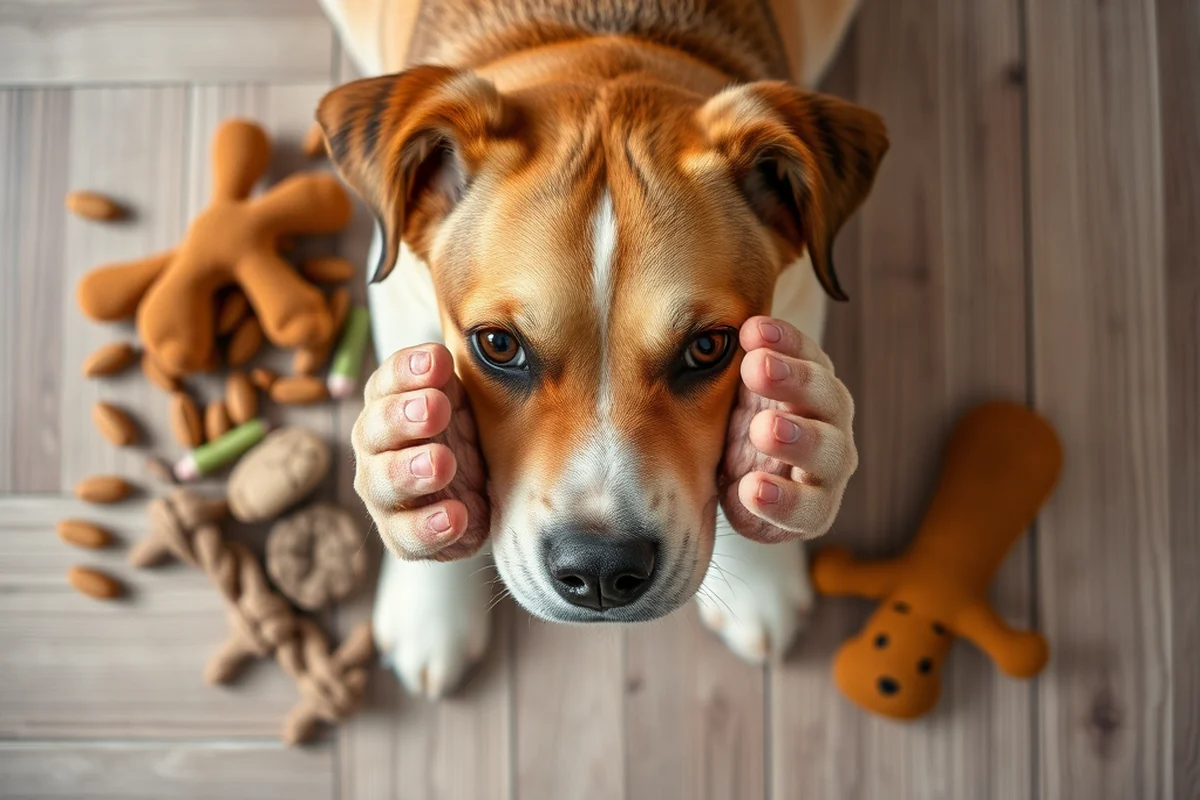
Studies have shown that senior dogs who engage with mental challenges regularly experience slower cognitive decline and are less prone to anxiety or depression. This is because the brain, like any muscle, benefits from regular stimulation.[2]
I saw this firsthand with Max. After introducing a new DIY toy every week, his vet noted that his cognitive tests had improved by 20% in just three months. That’s a significant change for a dog in his 11th year.
This kind of mental activity also helps senior dogs maintain a sense of purpose and engagement, which is crucial as they age.
Related: Enrichment for senior cats
Tailoring Enrichment Toys to Your Senior Dog’s Needs
Each senior dog has unique preferences and abilities. Some may enjoy interactive toys that require more movement, while others may benefit from slower, more puzzle-based challenges. It’s important to observe your dog’s behavior and adjust the toy accordingly.
For Max, I found that puzzle toys with multiple steps kept him engaged for longer periods than simple ball toys. He also responded well to toys that required him to use his nose to find hidden treats.
By customizing the toys based on your dog’s preferences, you can ensure that they remain both mentally and physically active without overexerting them.
Related: Enrichment toys for puppy
How Often Should Senior Dogs Use Enrichment Toys?
Consistency is key with enrichment toys for senior dogs. Using them daily helps keep their minds active and their bodies moving, which is essential as they age.
I’ve found that Max benefits most when he plays with a new toy every other day. This keeps the experience fresh and prevents him from becoming too familiar with a single toy, which can lead to disinterest.
It’s also important to vary the difficulty level of the toys to match your dog’s abilities, ensuring that they remain challenged but not frustrated.
Consistency is the secret sauce to long-term enrichment success.
Related: Enrichment for senior dog
The Emotional Impact of Enrichment Toys on Senior Dogs
Senior dogs often experience anxiety due to changes in their environment or routine. Enrichment DIY toys for dogs provide a sense of purpose and engagement that can alleviate this anxiety.
I noticed that Max became more relaxed and less agitated when I introduced new toys into his routine. He would sit for hours playing with them, something he hadn’t done in years.
These toys also help senior dogs stay connected with their human companions, which is crucial for their emotional well-being.
🦴 Senior Pet
Tailored for older dogs with slower movement, using soft, easy-to-use materials and low-effort challenges.
🐶 Small Breed
Ideal for small dogs, focusing on lightweight, easily manageable toys that fit their size and strength.
🐾 Multi-Pet Home
Designed for multiple pets, offering separate but interactive challenges to prevent competition and promote shared engagement.
💰 Budget
Cost-effective solutions using household items that are easy to find and reuse for ongoing mental stimulation.
🧳 Travel
Portable and compact toys that are easy to take on the go, ensuring your senior dog stays active and engaged even while traveling.
| The mistake | Why it happens | The fix |
|---|---|---|
| Using toys that are too difficult for a senior dog. | This can lead to frustration and disinterest, which defeats the purpose of mental stimulation. | Start with simpler toys and gradually increase the difficulty as your dog becomes more comfortable with the concept. |
| Not varying the types of toys regularly. | Senior dogs can become bored with the same toy over time, leading to a decline in engagement. | Introduce new toys every two weeks to keep the experience fresh and interesting for your dog. |
| Neglecting to observe your dog’s behavior and preferences. | Each senior dog has unique needs and preferences. Ignoring these can lead to disengagement and decreased mental stimulation. | Take time to observe your dog’s behavior and adjust the toys accordingly. Choose toys that match their abilities and interests. |
| Using unsafe materials or components. | This can lead to injury or ingestion of harmful substances, which is especially dangerous for senior dogs. | Always use safe, non-toxic materials and avoid anything with small parts that could be swallowed. |
Enrichment Diy Toys For Dogs
Common Questions
Are DIY enrichment toys safe for senior dogs?
How long should my senior dog spend playing with enrichment toys?
Can I make DIY toys using household items?
How often should I introduce new DIY toys?
References
- Shelter Dogs Need A Home: The Effect of Enrichment and Human ... (scholarworks.gvsu.edu)
- Consultant Report on the operations of Baltimore County Animal ... (baltimorecountymd.gov)
Cite this guide
Senior Pet Cognitive Enrichment (2026). Enrichment Diy Toys For Dogs. https://petgraycare.com/enrichment-diy-toys-for-dogs/
Feel free to cite or share this guide.