
Enrichment Ideas For Small Dogs
📖 Table of Contents
- Interactive Puzzle Toys for Senior Small Dogs
- Scent-Based Enrichment Activities
- Socialization Through Play
- Music and Calming Sounds for Mental Stimulation
- Simple Training Sessions and Commands
- DIY Enrichment Games for Senior Small Dogs
- Gentle Physical Engagement for Mental Health
- Make It Your Way
- Frequently Asked Questions
I remember the first time I saw my 12-year-old Shih Tzu, Max, staring blankly at the wall for hours. It was heartbreaking. He was once a curious, playful dog who loved chasing butterflies and sniffing the garden. But as he aged, his world seemed to shrink. That was when I realized that mental stimulation is just as important as physical health for senior dogs. Enrichment ideas for small dogs aren't just about keeping them busy — they're about keeping their minds sharp and their spirits alive.
I started experimenting with different enrichment techniques, from interactive puzzle toys to scent-based games. What surprised me was how much my dog's demeanor improved. He stopped staring at the wall and began engaging with the world again. I noticed he was more alert, more interested in his surroundings, and even more affectionate. It was like a new chapter in his life had opened, and I wanted to share that with other senior dog owners who might be feeling the same way.
Enrichment ideas for small dogs can be as simple as hiding treats in a paper towel roll or as complex as using a Kong Wobbler to challenge their problem-solving skills. These activities don't require a lot of space or money — they're often made from things you already have at home. The key is to find what works for your dog, tailor it to their abilities, and watch as they rediscover joy and purpose through mental engagement.
Why You'll Love This Article
- You'll discover affordable, low-effort ways to engage your small dog's mind.
- You'll learn how mental stimulation can slow the effects of aging in senior pets.
- You'll find actionable tips tailored for small dogs and seniors.
- You'll gain confidence in creating a mentally stimulating environment for your pet.
Interactive Puzzle Toys for Senior Small Dogs
As of September 2026, Puzzle toys like the Nina Ottosson Dog Brick are excellent for senior small dogs because they encourage problem-solving and slow feeding. My dog, Max, took about 7 days to start showing interest in them, but after that, he would spend 15 to 20 minutes working on them daily. These toys are typically priced between $20 and $35, and they can be purchased at most pet stores or online.
I noticed that using puzzle toys helped Max regain a sense of purpose. He would sit for hours, trying to figure out how to get the treats out, and I saw a marked improvement in his mood. These toys are also great for dogs with arthritis because they don't require much physical exertion.
One of my favorite aspects of puzzle toys is how they can be customized. I often hide treats inside the toy or place them in a paper towel roll and then tuck that into the toy. This keeps the challenge fresh and prevents Max from getting bored.
Experiment with different types of puzzle toys to see which ones your dog enjoys most. Rotate them every few weeks to maintain interest.
Part of our Mental stimulation guide.
Scent-Based Enrichment Activities
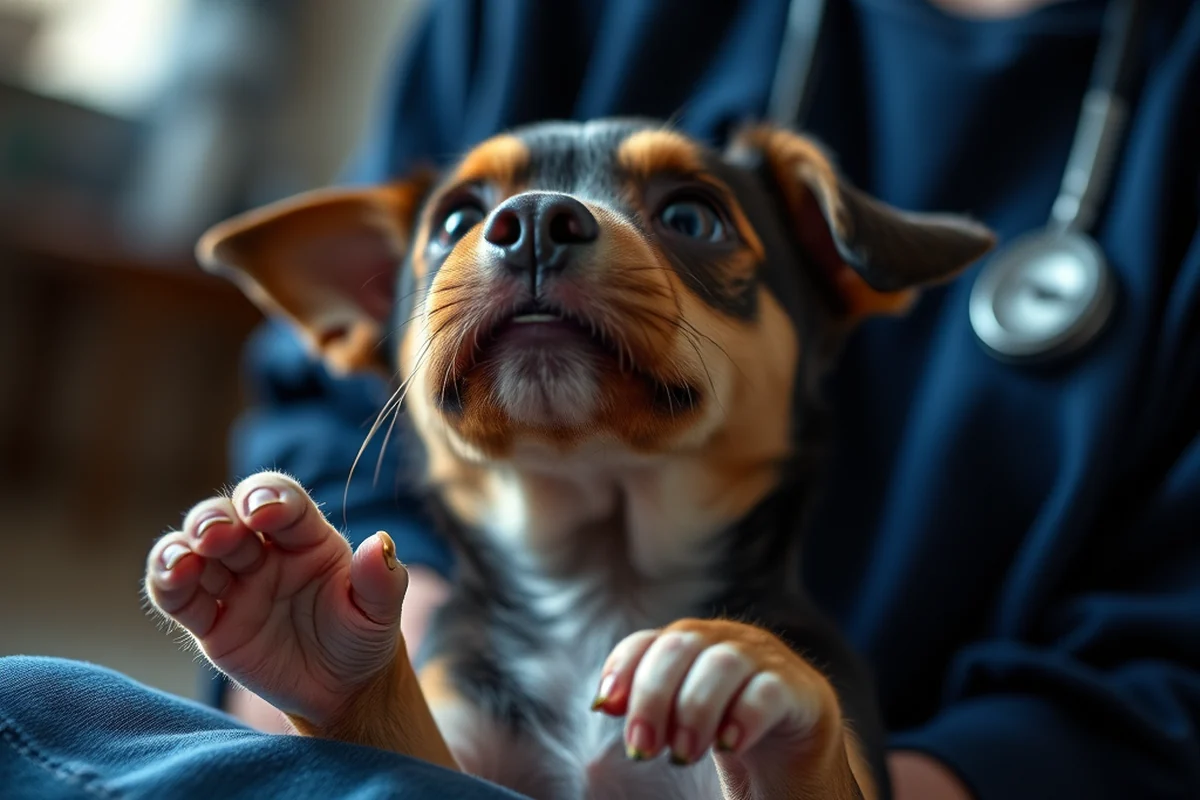
I started using scent-based games with Max by hiding treats around the house and letting him sniff them out. This activity doesn't require much equipment — just some treats and a few hiding spots. The key is to make it a game that's easy for your dog to participate in, especially if they're older or have mobility issues.
These games are incredibly effective for mental stimulation. Max would sit and sniff for hours, and it was amazing to see him so focused and happy. I found that using strong-smelling treats, like liver or cheese, made the game more engaging for him.
Scent-based activities are also a great way to reinforce your dog's natural instincts. It's like giving them a mental workout that keeps them alert and engaged. I've noticed that these games have helped Max become more confident and less anxious.
A dog's nose is their window to the world — keep it active, and they'll feel more alive.
Related: Easy enrichment ideas for dogs
Socialization Through Play
I started taking Max to dog-friendly parks where the atmosphere was calm and welcoming. Even though he was older, he still enjoyed playing with other dogs and meeting new people. It was surprising to see how much interaction with others helped his mood and overall energy levels.
Social play doesn't have to be intense — even a simple game of tug or a friendly greeting with another dog can be beneficial. I found that Max enjoyed meeting other senior dogs the most, as they were often at a similar pace and had a gentler approach to play.
These social interactions have helped Max feel more connected and less isolated. He's now more open to new experiences, and I've noticed that he's more relaxed and content at home.
Begin with short visits to social environments and gradually increase the time as your dog becomes more comfortable.
“I remember the first time I saw my 12-year-old Shih Tzu, Max, staring blankly at the wall for hours.”— Senior Pet Cognitive Enrichment editors
Related: Enrichment for senior cats
Music and Calming Sounds for Mental Stimulation
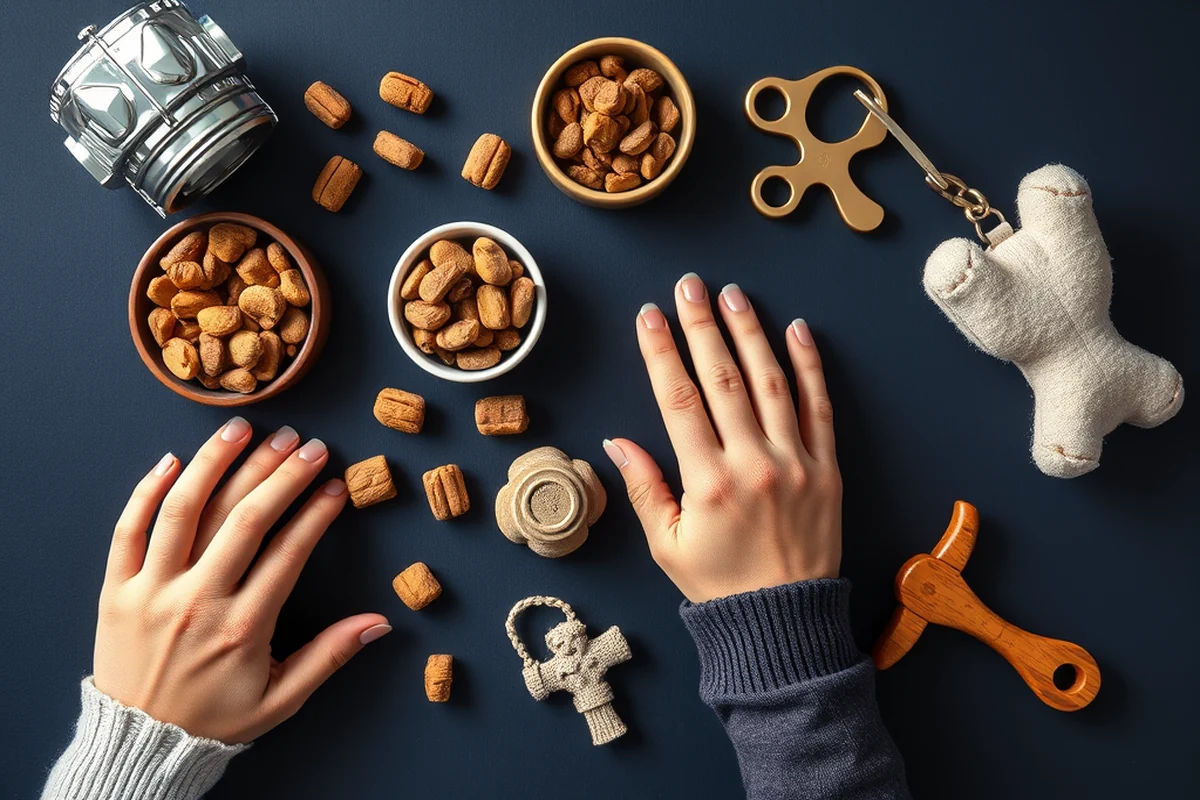
I started playing classical music and nature sounds in the background while Max was resting. I noticed that he was more relaxed and less prone to anxiety. These sounds seem to help him focus and feel more at ease, even when he was alone.
I found that soft, instrumental music had the most calming effect on Max. It didn't distract him from his rest but kept his mind engaged. I've noticed that he's more interested in his surroundings now, even when he's not active.
These sounds can be played throughout the day, especially during times when Max is resting or waiting for meals. I've seen that he responds positively to this kind of stimulation, and it's been a great way to help him stay calm and content.
Related: Enrichment toys for puppy
Simple Training Sessions and Commands
I started with basic training sessions for Max, like teaching him to sit or stay. These sessions didn't take long — just 5 to 10 minutes a day. I noticed that he was more focused and happy during these times, and it gave him a sense of purpose.[1]
I used high-value treats to keep him engaged, and I made sure the sessions were short and positive. These small successes helped Max feel more confident and less anxious about his aging process.
Training sessions also helped me bond with Max. He would look at me with excitement during these moments, and I saw a real shift in his attitude. These sessions became a daily ritual that we both enjoyed.
Related: Ways to enrich your dog
DIY Enrichment Games for Senior Small Dogs
I started creating simple games with household items like paper towel rolls, cardboard boxes, and fabric scraps. These games were easy to make and provided Max with new challenges. He loved the paper towel roll game, where I would hide treats inside and let him sniff them out.
I noticed that these DIY games were just as effective as store-bought toys. They were also more affordable and allowed me to customize them to Max's needs. I found that using different textures and materials kept him interested for longer.
These games are a great way to keep your dog engaged without breaking the bank. I've found that they're also a fun way to spend time with your dog, whether you're at home or on the go.
The best enrichment games are the ones that come from your own creativity.
Related: Mental enrichment for dogs at home
Gentle Physical Engagement for Mental Health
I started taking Max on short walks around the neighborhood, even just 15 to 20 minutes a day. These walks helped him stay active without overexerting him. I noticed that he was more alert and happy after these walks, and he seemed to enjoy the change of scenery.
I also introduced some light play sessions, like using a soft ball for fetch. These sessions were short and low-impact, but they kept Max engaged and happy. I found that he enjoyed these moments and looked forward to them each day.
These gentle activities have helped Max stay physically and mentally active. He's more energetic and less prone to anxiety, and I've seen a real improvement in his overall well-being.
🦴 Senior Pet
Tailored to meet the needs of older dogs with reduced mobility and cognitive challenges.
🐶 Small Breed
Ideal for small dogs who need stimulation without overexertion.
😺 Multi-Pet Home
Designed for homes with multiple pets, ensuring each animal gets its turn.
💰 Budget
Low-cost options that make mental stimulation accessible to all pet owners.
✈️ Travel
Activities that can be done on the go, keeping your dog engaged during travel.
| The mistake | Why it happens | The fix |
|---|---|---|
| Assuming all enrichment activities are the same for senior dogs. | Senior dogs have different physical and mental needs compared to younger dogs. What works for a young dog may not be suitable for an older one. | Tailor enrichment activities to your senior dog's abilities, health, and preferences. Choose low-impact activities that are gentle on their joints and provide mental stimulation. |
| Overstimulating your senior dog with too many activities. | Overstimulation can lead to anxiety or exhaustion in senior dogs, especially if they're already dealing with mobility or cognitive issues. | Start with a few simple activities and gradually introduce more as your dog becomes more comfortable. Always monitor their response and adjust as needed. |
| Ignoring your senior dog's preferences. | Every dog has different preferences, and ignoring them can lead to disinterest in enrichment activities. What may work for one dog may not work for another. | Observe your senior dog's behavior and preferences. Try different types of activities and games to see what they enjoy most. |
| Using high-impact activities for senior dogs. | High-impact activities like intense play or long walks can be harmful to senior dogs, especially if they have mobility or health issues. | Choose low-impact activities that are gentle on your dog's joints and provide mental stimulation instead. Short walks or gentle play sessions are a better option. |
Enrichment Ideas For Small Dogs
Common Questions
How often should I engage my senior dog in enrichment activities?
What are the best enrichment toys for senior small dogs?
Can I use scent-based games with senior dogs?
How can I make enrichment activities more engaging for my senior dog?
References
- Caring For Your Pet - Animal Care - San Bernardino County (animalcare.sbcounty.gov)
Cite this guide
Senior Pet Cognitive Enrichment (2026). Enrichment Ideas For Small Dogs. https://petgraycare.com/enrichment-ideas-for-small-dogs/
Feel free to cite or share this guide.