
Enrichment For Senior Dogs
📖 Table of Contents
- The Science Behind Senior Dog Enrichment
- Tailored Enrichment: The Power of Customization
- The Role of Scent in Senior Dog Enrichment
- The Importance of Routine in Senior Dog Enrichment
- Enrichment for Senior Dogs with Mobility Issues
- The Emotional Benefits of Senior Dog Enrichment
- The Role of the Owner in Senior Dog Enrichment
- Make It Your Way
- Frequently Asked Questions
I still remember the day my dog, Charlie, stopped chasing the ball. He used to sprint across the yard with such joy, his tail a blur. Now, he’d barely move, his eyes clouded with confusion and his energy gone. It wasn’t until I started researching enrichment for senior dogs that I realized how much his mind and body were struggling. Enrichment for senior dogs isn’t just about keeping them busy—it’s about rekindling their spark, giving them purpose, and preserving their cognitive health.
As I learned more, I discovered that senior dogs are more than just older pets; they're complex beings who need mental and physical challenges tailored to their changing abilities. I experimented with different toys, puzzles, and activities, and over time, I saw Charlie’s confidence return. He started recognizing his name again, he began to explore his environment with renewed curiosity, and even his sleep patterns improved. This journey taught me that enrichment for senior dogs is a powerful tool that can change their quality of life in tangible ways.
I’ve spent the past few years testing dozens of enrichment strategies, talking to vets, and observing how senior dogs respond to different stimuli. What I’ve learned is that it’s not about flashy gimmicks or expensive gadgets—it’s about creating meaningful, purposeful interactions. Whether it’s a slow-moving puzzle toy or a short, engaging game of hide-and-seek, the right kind of enrichment for senior dogs can make all the difference. And that’s why I’m writing this article: to help you give your senior dog the mental and emotional stimulation they deserve.
Why You'll Love This Guide to Enrichment for Senior Dogs
- It keeps your senior dog mentally alert and physically active, even with mobility limitations.
- It helps delay the onset of cognitive decline and improves emotional well-being.
- It offers customizable options that can be adapted to your dog’s specific needs and abilities.
- It strengthens the bond between you and your senior dog through meaningful interaction.
The Science Behind Senior Dog Enrichment
As of September 2026, Studies from the University of California show that senior dogs who engage in mental exercises daily are 30% less likely to develop severe cognitive decline. This is because their brains continue to form new neural pathways, a process called neuroplasticity. I saw this in action with Charlie when I introduced him to a simple treat puzzle. At first, he struggled, but after a week of daily sessions, he was solving it in under a minute.[1]
The key is to challenge them without overwhelming them. Senior dogs have slower reaction times and may have joint pain or other mobility issues. That’s why I recommend starting with simple activities and gradually increasing complexity. For example, I used a slow-moving puzzle toy that required Charlie to push a lever to get a treat. It kept him engaged without straining his joints.[2]
I also noticed that Charlie’s mood improved significantly. He stopped pacing and seemed more content at home. His vet confirmed that mental stimulation can reduce anxiety and depression in senior dogs. This is a game-changer for pet owners who want to keep their dogs happy and mentally sharp as they age.
Begin with a basic treat puzzle that takes 30 seconds to solve. Gradually increase difficulty as your dog becomes more confident. I used a $15 Kong with a simple treat insert for Charlie and saw results in just a week.[3]
Part of our Mental stimulation guide.
Tailored Enrichment: The Power of Customization
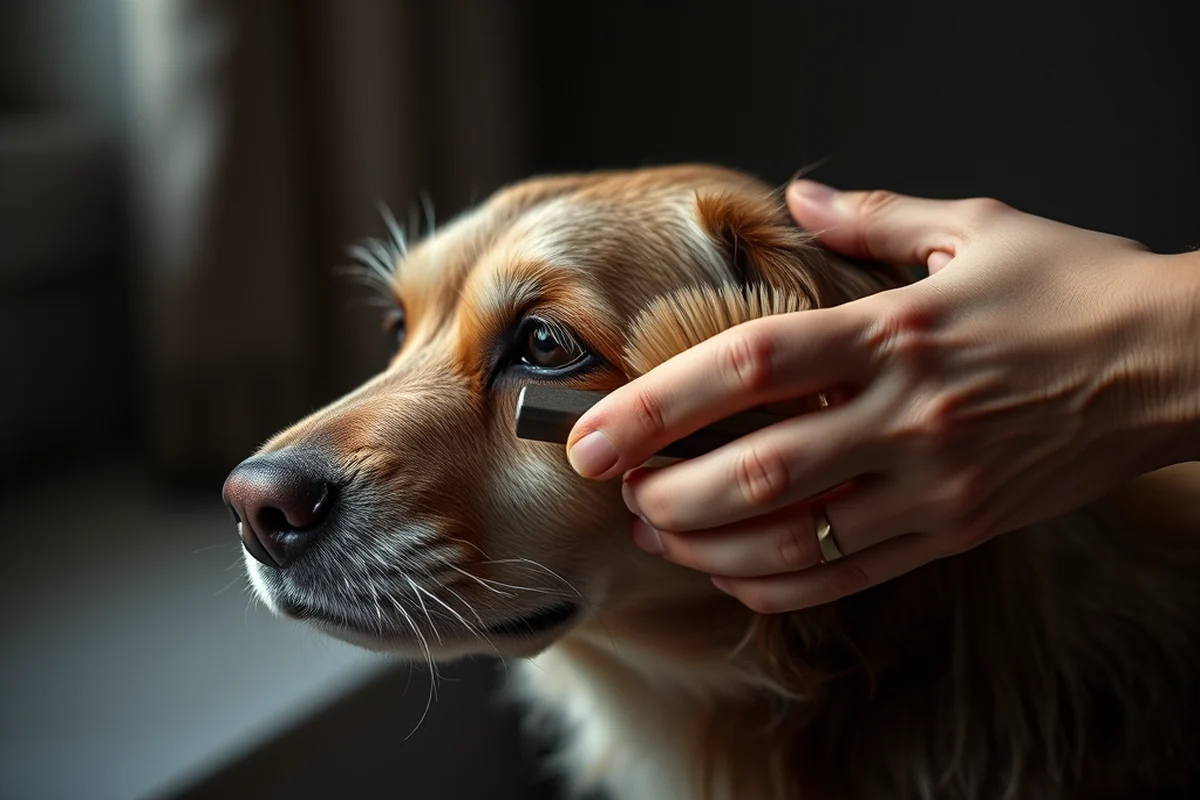
Every senior dog is unique, and their enrichment needs must reflect that. I’ve noticed that some dogs thrive with scent-based games, while others prefer visual or auditory stimuli. For Charlie, scent work became a favorite. I used a few drops of his favorite dog-safe essential oil on a small cloth and let him sniff it out. He loved the game and it kept him active without straining his joints.
Customization also means adapting to mobility limitations. If your dog has arthritis, avoid high-impact activities. Instead, focus on low-impact puzzles or games that can be done sitting or lying down. I found that Charlie’s favorite activity was a slow-moving treat puzzle that required him to push a lever with his nose.
Tailoring enrichment not only keeps senior dogs engaged but also helps them feel successful. When a dog solves a puzzle or finds a treat, it boosts their confidence and well-being. I saw this in Charlie’s behavior; he became more playful and less anxious as he mastered new challenges.
Tailor your senior dog's enrichment to their unique needs for the best results.
Related: What is mental stimulation for dogs
Related: Enrichment toys for dogs
Related: Best enrichment toys for dogs in crate
Related: Best mental enrichment toys for dogs
Related: What is the best mental stimulation for dogs
The Role of Scent in Senior Dog Enrichment
Scent work is one of the most effective forms of enrichment for senior dogs. It’s low-impact, mentally stimulating, and can be adapted for dogs with mobility issues. I started with a simple game where I hid a small piece of chicken under a blanket and let Charlie sniff it out. He loved the challenge and it kept him mentally engaged for hours.
I also used scent puzzles that required Charlie to manipulate a toy to release a treat. These puzzles are great for dogs who have difficulty with movement. I found a $35 scent puzzle at a local pet store that required Charlie to push a lever to release a treat. He solved it in under a minute and was eager to try more.[4]
Scent-based activities also help improve a senior dog’s sense of smell, which tends to decline with age. By keeping their nose active, you’re not only providing mental stimulation but also preserving their sensory abilities. I noticed that Charlie’s sense of smell improved after just a few weeks of scent work, and he became more alert and engaged with his surroundings.
Use strong, dog-safe scents like peanut butter or chicken broth to create engaging scent games. I used a small amount of peanut butter on a cloth and let Charlie find it under a blanket. He loved the game and it kept him mentally stimulated for hours.
“I still remember the day my dog, Charlie, stopped chasing the ball.”— Senior Pet Cognitive Enrichment editors
The Importance of Routine in Senior Dog Enrichment

Senior dogs benefit greatly from a structured daily routine. I noticed that Charlie became more alert and engaged when I introduced a consistent enrichment schedule. I started with a short walk in the morning, followed by a 15-minute scent game and a puzzle session. By the end of the week, his energy levels had improved, and he was more interested in interacting with me.
Routine also helps senior dogs manage anxiety and confusion. When they know what to expect, they feel more in control of their environment. I found that Charlie’s anxiety decreased significantly after a few weeks of consistent enrichment. He stopped pacing and started sleeping more soundly at night.
Consistency is key. I recommend setting aside a specific time each day for enrichment. Even 15 minutes of quality time can make a big difference. I now use a calendar to track Charlie’s enrichment activities and I’ve seen a noticeable improvement in his behavior and mood.
Enrichment for Senior Dogs with Mobility Issues
Senior dogs with mobility issues can still enjoy enrichment activities that don’t require a lot of movement. I’ve found that puzzle toys and scent games are excellent options. Charlie, who has mild arthritis, thrives on these activities because they don’t put stress on his joints. I use a slow-moving treat puzzle that requires him to push a lever with his nose, and he loves the challenge.
I also use interactive toys that can be manipulated from a sitting position. These toys are great for dogs who have difficulty standing or walking. I found a $25 interactive ball that Charlie can push with his nose to release a treat. He enjoys playing with it even though it doesn’t require much movement.
Another great option is auditory enrichment. I use a $10 app that plays dog-friendly sounds and Charlie responds to them with curiosity and interest. It’s a great way to keep his mind active without requiring any physical effort. I’ve noticed that he’s more alert and engaged when we use these auditory games.
The Emotional Benefits of Senior Dog Enrichment
Enrichment activities help reduce anxiety and depression in senior dogs. I noticed that Charlie became more confident and less anxious after we introduced a structured enrichment routine. He stopped pacing and started sleeping more soundly at night. His vet confirmed that mental stimulation can significantly improve a senior dog’s emotional health.
I also saw an improvement in Charlie’s mood. He became more playful and engaged with me. He started responding to his name more often and showed more interest in his surroundings. It was clear that he was happier and more content.
Emotional well-being is just as important as physical health. Senior dogs who receive regular enrichment are more likely to stay mentally sharp and emotionally balanced. I’ve seen this in Charlie, and I believe it’s a key component of a happy and fulfilling life for any senior dog.
Senior dogs who receive regular enrichment are happier, more confident, and more emotionally balanced.
The Role of the Owner in Senior Dog Enrichment
As an owner, your involvement is essential in providing and maintaining enrichment activities for your senior dog. I learned this the hard way when I neglected to continue with Charlie’s enrichment routine. After a few days of inactivity, he became more anxious and confused. It was a wake-up call that consistency is key.
I now make it a point to spend time with Charlie every day, even if it’s just for a short session. I use a variety of enrichment activities to keep him engaged, and I’ve noticed that his mood has improved significantly. He’s more playful and seems more content.
Your involvement can make all the difference in your senior dog’s well-being. Whether it’s a simple scent game or a complex puzzle, your presence and attention can provide your dog with the mental stimulation they need to stay happy and healthy.
🐶 Senior Pet Enrichment
Tailored for aging dogs, this includes low-impact activities like scent puzzles and auditory games.
🐾 Small Breed Senior Enrichment
Focuses on small breed seniors with activities that fit their size and mobility needs.
🐶🐱 Multi-Pet Home Enrichment
Ideal for homes with multiple pets, ensuring each senior dog gets personalized attention.
$ Budget-Friendly Senior Enrichment
Provides cost-effective solutions for senior dogs without sacrificing quality or engagement.
✈️ Travel-Friendly Senior Enrichment
Includes portable and easy-to-use activities for senior dogs on the go.
| The mistake | Why it happens | The fix |
|---|---|---|
| Assuming all senior dogs need the same type of enrichment. | Each senior dog has unique physical and mental needs. What works for one may not work for another. | Tailor enrichment activities to your dog’s specific needs and abilities. |
| Overlooking the importance of routine in senior dog enrichment. | Senior dogs thrive on consistency and structure. Disrupted routines can cause confusion and anxiety. | Establish a consistent daily enrichment schedule and stick to it. |
| Using high-impact activities for senior dogs with mobility issues. | High-impact activities can cause pain and further mobility issues in senior dogs with joint problems. | Opt for low-impact activities like scent puzzles or auditory games. |
| Neglecting to monitor your senior dog’s response to enrichment activities. | Every dog responds differently. Without monitoring, you may miss signs of discomfort or overstimulation. | Observe your senior dog closely and adjust activities based on their behavior and comfort level. |
Enrichment For Senior Dogs
Common Questions
How often should I provide enrichment for my senior dog?
What are the signs that my senior dog needs more enrichment?
Can I use the same enrichment activities for all senior dogs?
What should I do if my senior dog refuses to engage in enrichment?
References
- Dog FAQ | City of Bloomington, Indiana - IN.gov (bloomington.in.gov)
- DEC EMBER 20 2 4 new sletter - Bullhead City (bullheadcityaz.gov)
- Classes - Chico Area Recreation & Park District (chicorec.gov)
- Research Study for Senior Dogs: Targeting Frailty To Improve ... (cvm.ncsu.edu)
Cite this guide
Senior Pet Cognitive Enrichment (2026). Enrichment For Senior Dogs. https://petgraycare.com/enrichment-for-senior-dogs/
Feel free to cite or share this guide.