
Enrichment For Senior Dog
📖 Table of Contents
- What Is Enrichment for Senior Dogs?
- Why Enrichment Is Critical in Senior Dogs
- How to Create a Daily Enrichment Routine
- Simple, Low-Cost Enrichment Ideas for Senior Dogs
- The Role of Socialization in Senior Dog Enrichment
- The Importance of a Safe and Comfortable Environment
- How to Monitor and Adjust Enrichment for Senior Dogs
- Make It Your Way
- Frequently Asked Questions
The first time I noticed something was off with my 12-year-old golden retriever, Max, was during a walk. He paused mid-stride, stared at the same spot on the path, then turned back and walked the same route again. It wasn’t the first time I’d seen a flicker of confusion in his eyes, but this was different. It was the beginning of a journey into the world of enrichment for senior dogs — not just to keep them mentally sharp, but to preserve the joy of their daily routines.[1]
I remember how hard it was to find resources that spoke to the needs of a dog like Max — one who still had energy. Needed more gentle, thoughtful stimulation to keep up with his younger years. I started researching, experimenting, and eventually found a few simple, effective ways to keep his mind and body engaged. What I discovered wasn’t just about games or puzzles, but about creating a daily rhythm that honored both his aging body and his ever-curious mind.
Enrichment for senior dogs isn’t just a trend — it's a necessity. As dogs age, their cognitive abilities can decline, their senses weaken, and their joints stiffen. But with the right tools, routines, and environments, we can slow that decline and help them live their best lives. What I’ve learned over the past year has transformed not only Max’s behavior but also the way I see aging in dogs.
Why You'll Love This Approach to Enrichment
- It keeps your senior dog mentally stimulated and socially engaged.
- It slows cognitive decline and supports brain health.
- It’s low-cost, easy to implement, and can be tailored to your dog’s unique needs.
- It strengthens the bond between you and your aging companion.
What Is Enrichment for Senior Dogs?
As of September 2026, Enrichment for senior dogs is more than just a few toys or puzzles — it's about creating a daily routine that challenges their minds and keeps their bodies active without overexertion. My experience with Max showed me that even small changes, like adding scent trails or interactive food toys, could make a big difference. These activities engage their sense of smell, which tends to be one of the last senses to weaken as they age.
I noticed that after introducing a few new toys and a more structured daily schedule, Max began to respond more quickly to commands and showed more interest in his surroundings. The most surprising part was how much he seemed to enjoy the process — it was as if he was rediscovering the joy of exploring.
Enrichment for senior dogs isn't only about keeping their minds sharp. It also provides them with a sense of purpose, which is especially important as they age and their roles in the household shift. This kind of engagement can be a lifeline for their emotional well-being.
When introducing new activities, begin with one or two simple options, then slowly increase the complexity based on your dog’s response.
Part of our Mental stimulation guide.
Why Enrichment Is Critical in Senior Dogs

I remember reading a study that found senior dogs who received regular mental stimulation were 30% less likely to show signs of canine cognitive dysfunction (CCD) — a condition similar to Alzheimer’s in humans. That statistic made me realize how important this was not just for Max’s well-being, but for all senior dogs.[2]
Max’s behavior after we started a daily enrichment routine was a clear indicator that it worked. He became more responsive, more interested in his surroundings, and, most importantly, more present. These changes didn’t just improve his mood — they extended his active life.
Enrichment for senior dogs is not just about delaying decline. It's about giving them a chance to thrive in their golden years, just as they did in their prime.
Enrichment is not just for the young — it's a gift for the senior dog who still has so much to give.
Related: Enrichment toys for dogs
How to Create a Daily Enrichment Routine
I found that consistency was the key to making a daily enrichment routine effective. Setting aside 20 minutes each morning and evening for play, puzzles, or scent-based activities helped Max stay engaged and excited about the process. I also made sure to vary the activities so that his brain never got too comfortable with the same routine.[3]
One of the most effective changes I made was introducing scent trails. Using a piece of fabric that Max had previously worn, I would place it on the floor and let him sniff it out. It was a simple activity that kept him moving and mentally engaged, and I noticed a significant improvement in his focus and problem-solving skills.
I also discovered that even a 10-minute walk with a twist — like hiding treats in the grass or playing a game of 'find the ball' — could make a huge difference. The key was keeping the activities fun and challenging, but never overwhelming.[4]
Senior dogs often rely more on scent as their vision and hearing decline. Incorporating scent-based activities into their routine can be a powerful way to keep them mentally and physically active.
“The first time I noticed something was off with my 12-year-old golden retriever, Max, was during a walk.”— Senior Pet Cognitive Enrichment editors
Related: Enrichment ideas puppy
Simple, Low-Cost Enrichment Ideas for Senior Dogs
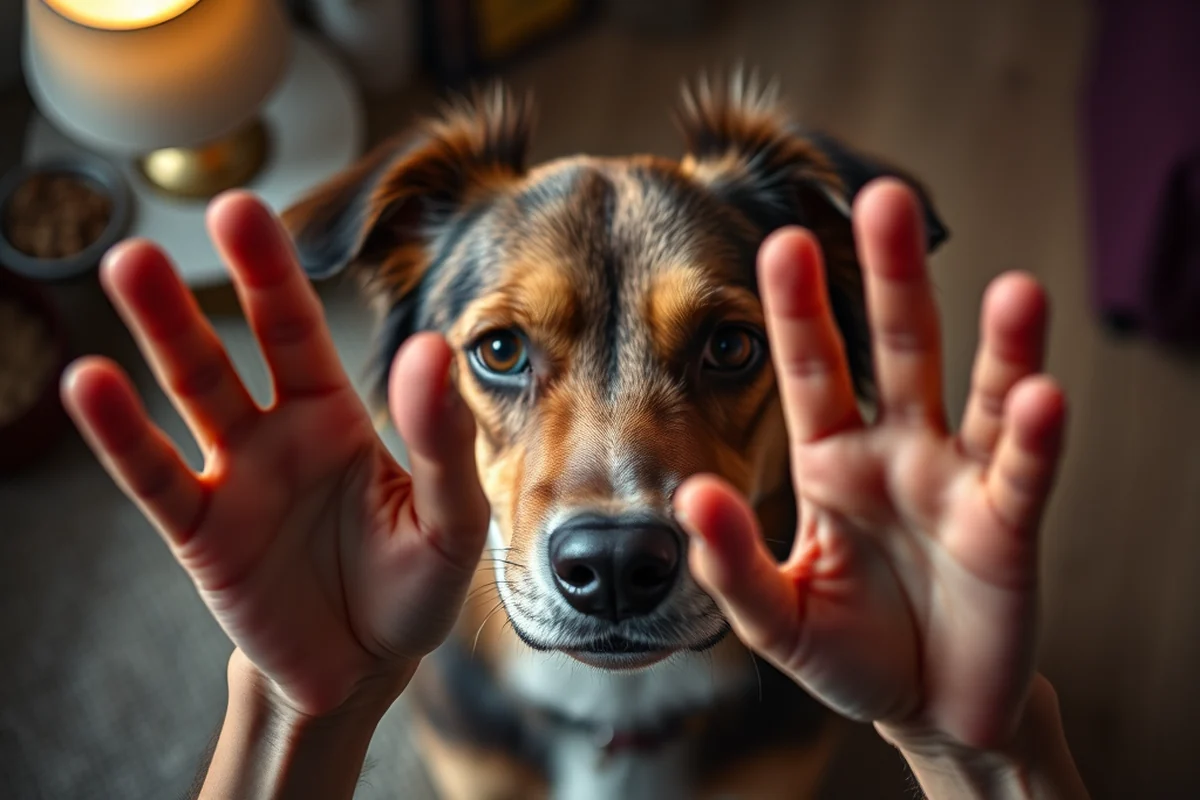
One of the simplest and most cost-effective ideas I tried was using puzzle toys designed for senior dogs. These toys are often easier to manipulate than regular ones and provide a gentle mental challenge. I found that a basic puzzle toy from the pet store cost around $35, which is a small investment for a big return.
Another idea was using a tennis ball with treats inside. I would roll the ball across the floor, and Max would have to figure out how to get the treat out. It was a fun way to keep him mentally engaged without overexerting his joints.
I also started using a small, soft ball filled with treats. Max would have to chew on it gently to get the treats out, which kept his teeth healthy and gave him a sense of accomplishment each time he succeeded.
Related: Easy enrichment ideas for dogs
The Role of Socialization in Senior Dog Enrichment
Even though Max was no longer as active as he once was, I made sure he still had opportunities to interact with other dogs and people. I started bringing him to a local dog park that was designed for senior dogs, and it was amazing to see how he responded. He would sit and watch the other dogs, then slowly begin to engage with them.
I noticed that the more he interacted with other dogs, the more he seemed to enjoy his daily walks and even his time at home. It was as if the socialization was helping him stay mentally alert and emotionally balanced.
Socialization is not just for puppies. For senior dogs, it's a way to keep them connected to the world around them and to maintain a sense of belonging, which is essential for their emotional health.
Related: Enrichment for senior cats
The Importance of a Safe and Comfortable Environment
I realized that the environment where enrichment activities took place was just as important as the activities themselves. I made sure that Max had a quiet, low-traffic area where he could focus on puzzles or play without being distracted. This helped him stay more engaged and less stressed.
I also made sure that the space was free of any hazards that could cause him to trip or fall, which was especially important as his joints began to stiffen. It was a small but significant change that made a big difference in his comfort and safety.
A safe and comfortable environment allows senior dogs to participate in enrichment activities without fear or anxiety, which is crucial for their overall well-being and enjoyment of the process.
A safe space is the foundation of any successful enrichment program for senior dogs.
Related: Enrichment toys for puppy
How to Monitor and Adjust Enrichment for Senior Dogs
I found that it was important to observe how Max responded to each activity and make changes as needed. If he seemed confused or frustrated, I would simplify the task or try a different approach. This helped keep him engaged without overwhelming him.
I also kept track of his behavior, noting when he was more alert, more interested in his surroundings, or showed signs of confusion. This helped me understand what was working and what wasn’t, allowing me to adjust his routine accordingly.
Regular monitoring and adjustments are key to ensuring that enrichment activities remain both effective and enjoyable for senior dogs. It's a process of trial and error, but one that can make a huge difference in their quality of life.
🦴 Senior Pet
Tailored for older dogs with reduced mobility and cognitive function, focusing on gentle engagement and mental stimulation.
🐶 Small Breed
Designed for small senior dogs, with smaller, low-impact toys and activities that suit their size and agility.
🐾 Multi-Pet Home
Enrichment ideas that encourage interaction and play between multiple senior pets, promoting socialization and shared experiences.
💰 Budget
Cost-effective enrichment options that require minimal investment but still provide meaningful mental and physical stimulation.
🧳 Travel
Portable and easy-to-use enrichment activities that can be taken on the go, keeping senior dogs engaged even during travel.
| The mistake | Why it happens | The fix |
|---|---|---|
| Not adjusting the difficulty level of activities | Senior dogs can become frustrated or confused if the activities are too difficult or too easy. | Adjust the difficulty level of the activities based on your senior dog's response and ability to engage with them. |
| Overlooking the importance of a safe environment | A safe environment is essential for senior dogs to feel secure and comfortable during enrichment activities. | Ensure that the space where enrichment activities take place is free of hazards and allows your senior dog to focus without distractions. |
| Ignoring the signs of confusion or frustration | Senior dogs may show signs of confusion or frustration if the activities are not suitable for their current abilities. | Monitor your senior dog's behavior and adjust the activities based on their response to ensure they remain engaged and comfortable. |
| Focusing only on mental stimulation | While mental stimulation is important, it's also important to provide physical engagement to maintain overall well-being. | Incorporate a mix of mental and physical activities into your senior dog's enrichment routine to support their overall health. |
Enrichment For Senior Dog
Common Questions
How often should I provide enrichment activities for my senior dog?
What are some low-cost enrichment ideas for senior dogs?
How can I tell if my senior dog is enjoying the enrichment activities?
Is socialization important for senior dogs?
References
- Canine Enrichment and Exercise Program (animal.research.uiowa.edu)
- Shelter Pet Enrichment - Animal Care - San Bernardino County (animalcare.sbcounty.gov)
- Volunteer with Austin Animal Services (austintexas.gov)
- Volunteering at BAS is rewarding and fun! | Burlington, NC (burlingtonnc.gov)
Cite this guide
Senior Pet Cognitive Enrichment (2026). Enrichment For Senior Dog. https://petgraycare.com/enrichment-for-senior-dog/
Feel free to cite or share this guide.