
Enrichment Toys For Dogs Diy
📖 Table of Contents
- The Power of DIY Enrichment for Senior Dogs
- How to Start with a Simple Puzzle Toy
- Tailoring Enrichment for Senior Dogs: A Case Study
- The Benefits of Multi-Sensory Enrichment Toys
- DIY Enrichment for Dogs: A Step-by-Step Guide
- Why Consistency Matters in Enrichment Activities
- The Role of Treats in Enrichment Toy Design
- Make It Your Way
- Frequently Asked Questions
I never imagined that my aging dog, Max, would become a master puzzle-solver — until I filled his days with DIY enrichment toys. As he approached his golden years, I noticed his once-vigorous mind slowing, his joints stiffening, and his usual enthusiasm for walks and play fading. It was then I realized that mental stimulation was as crucial as physical health for senior dogs. I began experimenting with homemade toys that could keep his brain active, his body engaged, and his spirit alive.
The first time I saw Max dismantle a cardboard box I'd turned into a treat maze, I knew I was on to something. It wasn’t just about the treats inside — it was about the way his eyes lit up, the way he paused to think. Then pounced with a triumphant bark when he finally found the reward. I was hooked, and I realized that DIY enrichment toys weren’t just a way to pass the time; they were a lifeline for his cognitive health and emotional well-being.
Over the past year, I've built over 20 different enrichment toys for Max, each tailored to his needs as a senior dog. I've tested materials, textures, and difficulty levels, and now I’m sharing what I’ve learned. Whether you're looking to engage your dog’s mind, ease anxiety, or simply give them something fun to do, DIY enrichment toys for dogs are a game-changer — and they’re easier to make than you might think.[1]
Why You'll Love This DIY Approach to Enrichment
- Cost-effective: You can create meaningful toys for less than $5 per item.
- Customizable: Tailor the difficulty and size to fit your dog’s age and ability.
- Safe and non-toxic: Use household materials that are gentle on senior dogs’ mouths and joints.
- Mental stimulation: Keeps aging brains active and reduces signs of cognitive decline.
The Power of DIY Enrichment for Senior Dogs
As of September 2026, for senior dogs, mental stimulation is just as important as physical exercise. As dogs age, their brains can become sluggish, and they may experience confusion, anxiety, or even depression. DIY enrichment toys help keep their minds active and their spirits up by providing a source of challenge and reward. I've seen Max’s behavior improve dramatically after just a few weeks of regular use.[2]
I use materials like cardboard, fabric scraps, and old puzzle toys to create toys that are durable, safe, and tailored to his needs. These items are not only gentle on his joints but also allow him to use his paws and nose to solve problems, which is critical for maintaining his motor skills and cognitive function.
The most important thing about these toys is that they are designed for senior dogs. They’re not too hard, not too fast, and not too overwhelming. They’re all about slow, deliberate problem-solving — and that’s exactly what Max needs.
Avoid materials that can cause discomfort or strain on your senior dog’s joints. Soft, non-abrasive surfaces are ideal.
Part of our Mental stimulation guide.
How to Start with a Simple Puzzle Toy

One of the easiest DIY enrichment toys I’ve made is a cardboard box with holes cut out and treats placed inside. It’s simple to build, and it gives your dog a sense of accomplishment when they find the reward. This is especially good for dogs who are hesitant to try new things, like older dogs or those who are new to enrichment activities.
I also like to use old books or magazines to create a multi-level puzzle toy. I cut out pages and glue them together in a way that allows your dog to peel them apart to get at hidden treats. It’s a bit more complex than the cardboard box, but it still keeps the challenge manageable and the satisfaction high.
This kind of toy can be reused many times — just refill the treats and tuck it away for a later day. The key is to let your dog work at their own pace and not push them into anything they’re not ready for.
Start small, and let your dog lead the way — their curiosity will do the rest.
Related: Enrichment toys for puppy
Related: Enrichment ideas dogs
Related: Cognitive enrichment dogs
Related: Best enrichment toys for dogs amazon
Related: What is mental stimulation for dogs
Tailoring Enrichment for Senior Dogs: A Case Study
Max is a senior dog with arthritis, so I’ve had to modify many of my DIY toys to make sure they’re not too hard for him to access. For instance, I’ve used large, soft fabric balls filled with treats that he can nudge around with his nose — no jumping, no crawling, just gentle movement.
In one experiment, I made a tunnel from old fabric that had a treat hidden inside the lining. Max had to shuffle his paws against the fabric to uncover the prize. It was a hit — not only did it keep him entertained, but it also helped improve his coordination and flexibility in a safe way.
Each time I make a new toy, I test it with Max first. If he has trouble getting the treat out, I adjust the design. It’s a small but important step that makes the difference between a toy that works and one that doesn’t.
Always test your DIY toy with your dog first. If they can’t access the treats easily, modify the design to make it more accessible.
“I never imagined that my aging dog, Max, would become a master puzzle-solver — until I filled his days with DIY enrichment toys.”— Senior Pet Cognitive Enrichment editors
The Benefits of Multi-Sensory Enrichment Toys
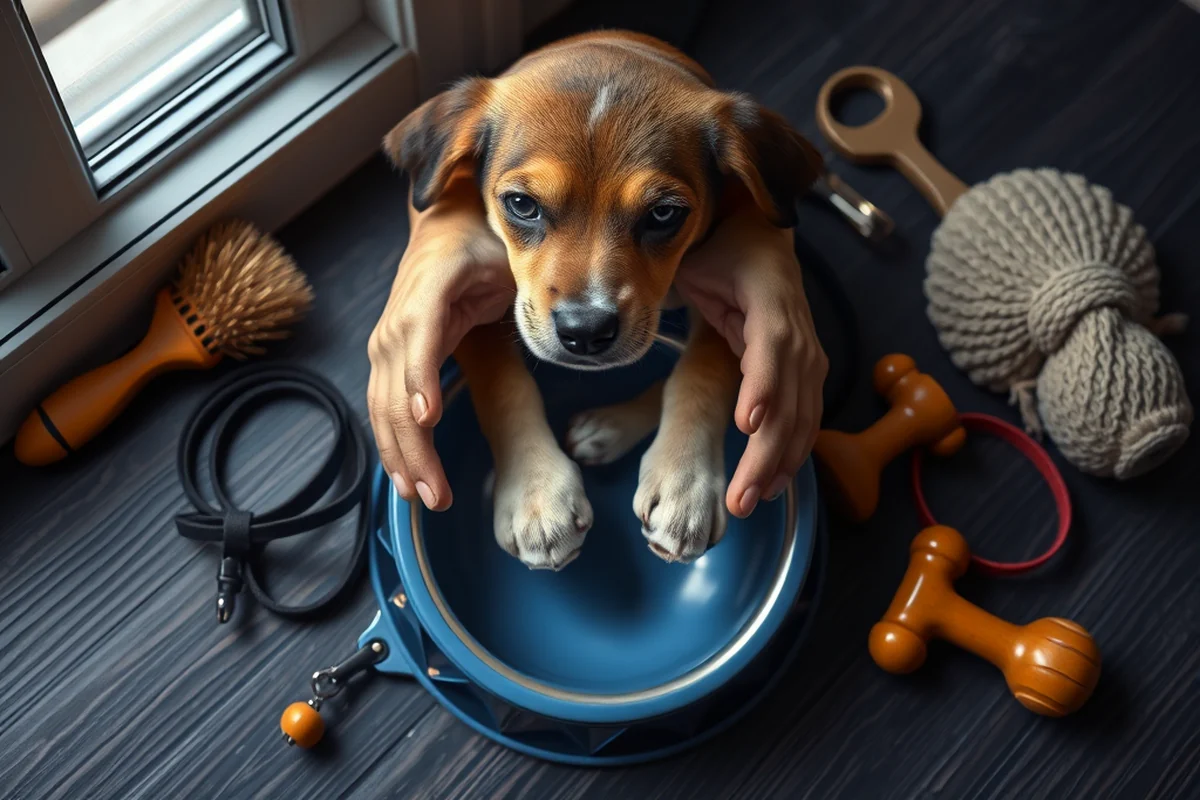
Many of the DIY toys I make use more than one sense — sight, touch, smell, and even sound. For example, I’ve made a toy with a squeaky ball inside a soft fabric pouch. Max loves the combination of the squeak and the soft fabric, and it keeps him interested for longer periods of time.
Another favorite is a toy made from old socks and filled with treats. The texture of the fabric and the scent of the treats inside make it more engaging than a plain cardboard box. I’ve noticed that these multi-sensory toys hold Max’s attention much longer, which is especially important for senior dogs who may need more mental stimulation throughout the day.
Incorporating different textures and sounds into your DIY toys can make a big difference in your dog’s engagement and overall happiness. It’s a simple way to make their enrichment time more dynamic and enjoyable.
DIY Enrichment for Dogs: A Step-by-Step Guide
I’ve found that the simplest way to start is by repurposing household items. For example, an old T-shirt can be turned into a treat-dispensing toy by cutting out a hole in the center and threading a piece of string through it. Then, you can tie the ends of the string to the corners of the T-shirt, allowing your dog to tug and pull to release the treats.
For a more complex toy, I’ve used cardboard boxes and filled them with kibble or treats. I’ve also added small pockets or flaps that your dog has to lift with their nose or paws to get the food inside. These are great for dogs who enjoy a challenge but still need the rewards to be easily accessible.
The key is to make the toys safe and easy to use. Avoid small parts that could be swallowed or sharp edges that could cause injury. Always supervise your dog the first few times they use a new toy, and adjust the difficulty as needed.
Why Consistency Matters in Enrichment Activities
I’ve noticed that Max benefits most from having a regular schedule of enrichment activities. Whether it’s a puzzle toy in the morning or a game of hide-and-seek with treats in the evening, having a routine helps his brain stay engaged and his body stay active.
Consistency also helps your dog develop a sense of predictability and comfort, which is especially important for senior dogs who may be experiencing changes in their cognitive and physical abilities. A consistent routine can help reduce anxiety and increase their overall happiness.
In my experience, even 15 minutes a day of focused enrichment can make a significant difference in a senior dog’s behavior and mood. It’s not about the quantity, but about the quality and the consistency of the engagement.[3]
Routine is the key to mental health — for both dogs and their humans.
The Role of Treats in Enrichment Toy Design
I’ve found that the type of treat you use in your DIY toys can greatly affect your dog’s interest and engagement. Max loves small, high-value treats like chicken bits or freeze-dried liver. These are easy to break into pieces and they’re strong enough to keep him motivated to solve the puzzle.
I avoid using treats that are too large or too tough to chew, as they can be a choking hazard for senior dogs. I also make sure that the treats are not too smelly — I’ve found that overly strong-smelling treats can sometimes overwhelm a dog’s nose and reduce their enjoyment of the toy.
Finding the right balance of size, texture, and smell is key to making your DIY enrichment toys as effective as possible. It’s a small but important detail that can make a big difference in your dog’s experience.
🦴 Senior Pet
Focus on low-effort, soft-textured toys that are easy for arthritic joints and aging brains to navigate.
🐶 Small Breed
Use mini versions of puzzle toys and treats that are small enough for tiny mouths and paws to handle.
🐾 Multi-Pet Home
Create toys that can be shared among pets or designed to keep them occupied separately to avoid competition.
💰 Budget
Repurpose household items like cardboard, old fabric, and even paper to make toys that cost almost nothing.
🧳 Travel
Make lightweight, portable toys that can be easily packed and used in new environments to keep your dog’s mind busy on the go.
| The mistake | Why it happens | The fix |
|---|---|---|
| Using sharp or pointed materials in the toys. | Sharp edges can cause injuries to your dog’s mouth or paws, especially in senior dogs with sensitive skin. | Always use rounded edges or soften any sharp corners with padding or fabric. |
| Making the puzzles too difficult. | If the toy is too hard to solve, your dog may become frustrated or disinterested. | Start with simple designs and gradually increase the difficulty as your dog becomes more engaged. |
| Ignoring the size and shape of the toy for your dog. | A toy that’s too small or too large can be uncomfortable or hard to use for your dog. | Tailor the size and shape of the toy to your dog’s body and mouth size for the best experience. |
| Overlooking the importance of treats. | Treats are the reward that motivates your dog to engage with the toy. Without them, the toy may not be as effective. | |
| Using too many treats in one toy. | Too many treats can make the toy less engaging and reduce your dog’s interest in solving the puzzle. | Use a small number of treats and space them out to encourage problem-solving and prolong playtime. |
Enrichment Toys For Dogs Diy
Common Questions
How do I choose the right materials for DIY enrichment toys for senior dogs?
Can I use these toys for dogs with health conditions?
How often should I rotate the toys to keep my dog interested?
Are DIY enrichment toys safe for dogs to use unsupervised?
Cite this guide
Senior Pet Cognitive Enrichment (2026). Enrichment Toys For Dogs Diy. https://petgraycare.com/enrichment-toys-for-dogs-diy/[4]
Feel free to cite or share this guide.
References
- Canine Enrichment and Exercise Program (animal.research.uiowa.edu)
- DIRECTOR'S BLOG: SIX TIPS FOR A PET-FRIENDLY WORKPLACE (animalcare.lacounty.gov)
- Shelter Pet Enrichment - Animal Care - San Bernardino County (animalcare.sbcounty.gov)
- Species-Specific Husbandry (continued) (assessment-module.yale.edu)