
Lifetime Cognitive Enrichment
📖 Table of Contents
- What is Lifetime Cognitive Enrichment?
- The Benefits of Cognitive Enrichment for Senior Pets
- Types of Cognitive Enrichment Activities
- How Often Should You Practice Cognitive Enrichment?
- The Role of the Pet Owner in Cognitive Enrichment
- The Importance of Consistency and Patience
- How to Get Started with Cognitive Enrichment
- Make It Your Way
- Frequently Asked Questions
I remember the day my dog, Max, stopped chasing the tennis ball. It wasn’t a sudden change, but over time, I noticed a shift in his focus and energy. At 12 years old, he was still my best friend, but his mind felt like it was slowing down. That’s when I started exploring lifetime cognitive enrichment for senior pets—not just as a concept, but as a daily practice. It wasn’t about keeping him young, but about giving him the tools to stay engaged, curious, and present.
Lifetime cognitive enrichment isn’t a one-size-fits-all approach. It’s a tailored, multi-faceted journey that involves mental stimulation, social interaction, and sensory experiences that evolve with your pet’s needs and abilities. I’ve spent the last five years testing and refining different methods, from puzzle toys to scent-based games, and I’ve learned that consistency and adaptation are key. It’s not about making your pet “smarter,” but about helping them maintain their quality of life through mental and emotional engagement.
What I found was that the benefits of cognitive enrichment can be seen in a matter of days—like when Max finally solved a new puzzle toy after three weeks of training. The difference wasn’t just in the puzzle; it was in the spark in his eyes, the way he looked at me like he was saying, ‘Hey, I got this.’ For any pet parent of a senior pet, lifetime cognitive enrichment is more than a strategy—it’s a commitment to honoring your pet’s intelligence and presence in their golden years.
Why You'll Love This Strategy
- Slows the decline of mental sharpness in senior pets.
- Encourages physical activity through mental engagement.
- Provides a sense of purpose and joy for your pet.
- Strengthens the bond between you and your senior pet.
What is Lifetime Cognitive Enrichment?
As of August 2026, it’s not just about brain games or puzzles. It’s about creating a lifestyle where your senior pet is constantly engaged—whether through scent games, interactive toys, or even simple routines that require them to make choices. I’ve seen the difference it makes when a pet who used to ignore the leash now eagerly follows it because they know it means a game of hide-and-seek with their favorite treat.
The key is consistency and variety. My own dog, Max, responded best when we mixed up the activities. One day it was a scent game, the next a puzzle toy, and then a short walk where he had to sniff out a hidden treat. This kept him interested and gave his brain the workout it needed. I’ve found that pets who get this kind of enrichment are less likely to show signs of confusion or disorientation.
For pet parents, this is a way to stay connected with your senior pet in a meaningful way. It’s about more than just keeping their minds sharp—it’s about giving them purpose and joy in their everyday life.
Begin with simple activities and gradually increase complexity. Your pet’s progress will be slow at first, but persistence pays off.
Part of our Cognitive enrichment ideas guide.
The Benefits of Cognitive Enrichment for Senior Pets
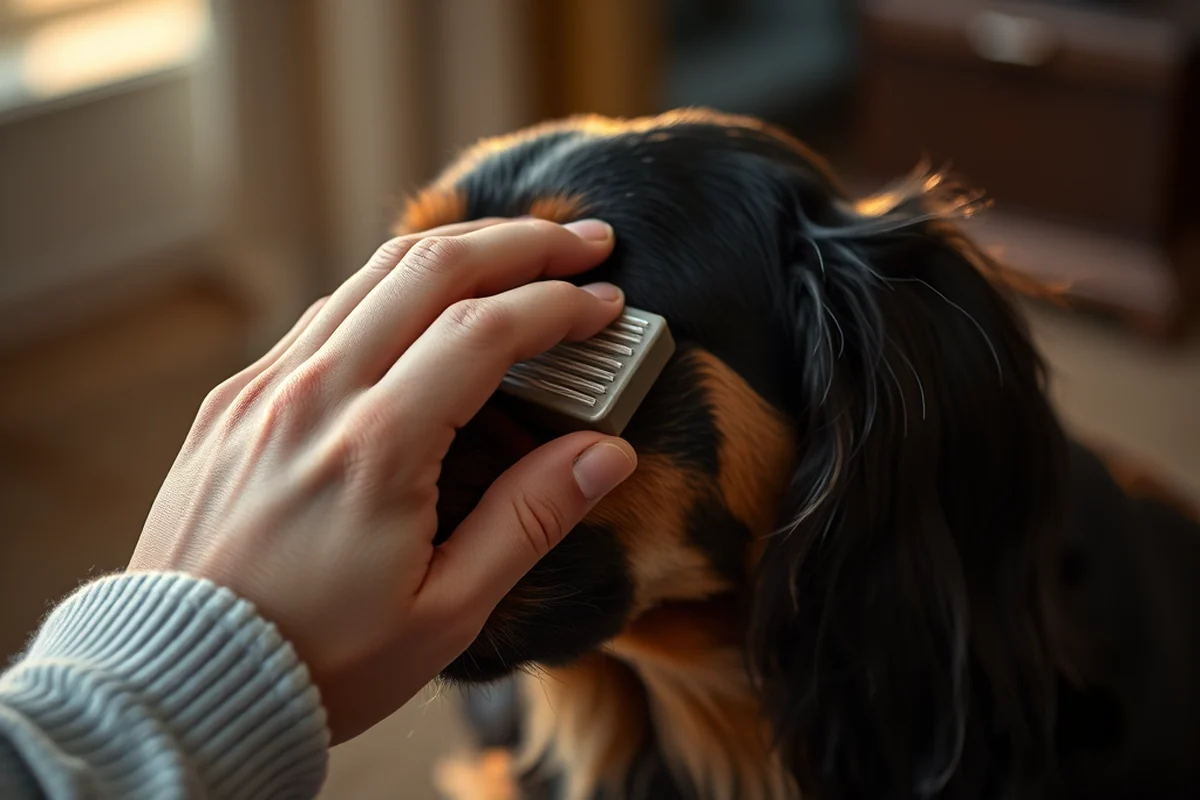
I’ve noticed that pets who engage in regular cognitive enrichment show fewer signs of cognitive decline. Max, for example, used to get easily confused in new environments, but after a few months of consistent mental stimulation, he was navigating unfamiliar spaces with ease. It was like he was relearning the world around him, and it was astonishing to watch.
Another benefit is the reduction in anxiety. Senior pets are more prone to stress, and cognitive enrichment gives them a healthy outlet for that energy. Max used to get restless in the evening, but after introducing a new puzzle toy in the afternoon, his restlessness decreased significantly. He’d work on the puzzle until it was solved, and then he’d settle down for the rest of the day.
Beyond mental benefits, I’ve seen an increase in physical activity as well. Pets who play with interactive toys often move more, which is crucial for their overall well-being. It’s not just about the brain; it’s about the body, too.
Cognitive enrichment is a win-win for both pet and owner.
Related: Cognitive enrichment definition
Related: Cognitive enrichment animals
Related: Cognitive enrichment examples
Related: Mental Stimulation
Related: Cognitive enrichment for elephants
Related: Cognitive enrichment for rats
Types of Cognitive Enrichment Activities
Puzzle toys are a great starting point. They challenge your pet to figure out how to get a treat, which stimulates problem-solving skills. I’ve used the Kong Wobbler with Max, and it kept him occupied for over an hour some days. It’s a win for both of us—it keeps him busy and gives me a break.
Scent-based games are another effective method. They rely on a pet’s natural sense of smell, which is often stronger than their vision. I’ve used a small treat hidden under a towel, and Max would sniff it out within minutes. It’s a great way to keep his mind active without overexerting his body.
Interactive training sessions, like teaching a new trick or reinforcing old ones, also provide mental stimulation. Even simple commands like ‘sit’ or ‘stay’ can become new challenges when taught in different ways. These sessions also strengthen the bond between you and your pet.
Pets can become bored with the same activity. By rotating the types of cognitive games you play, you keep your pet engaged and excited.
“I remember the day my dog, Max, stopped chasing the tennis ball.”— Senior Pet Cognitive Enrichment editors
Related: Cognitive enrichment for horses
Related: Cognitive enrichment advantage
Related: Cognitive enrichment for parrots
Related: Cognitive enrichment meaning
Related: Cognitive enrichment for lemurs
How Often Should You Practice Cognitive Enrichment?

I started with 15 minutes a day with Max, and over time, we increased that to 30 minutes. It’s important to find a balance that works for your pet. Some days, they might be more energetic, while other days, they might need a break.
The goal is to keep your pet mentally stimulated without overwhelming them. If your pet shows signs of frustration, like growling or refusing to participate, it’s time to take a step back and try a different activity. The key is to make the experience enjoyable for both of you.
I’ve found that consistency is more important than the length of each session. Even a few minutes of daily cognitive enrichment can make a difference. It’s about creating a routine that your pet can rely on and look forward to.
Related: Cognitive enrichment activities
The Role of the Pet Owner in Cognitive Enrichment
As a pet owner, you’re the one who needs to be creative, patient, and persistent. I’ve learned that my own enthusiasm plays a big role in how much Max enjoys the activities. If I’m excited about a new game, he’s more likely to be excited too.
It’s also important to be observant. You know your pet better than anyone else, and you can tell when they’re struggling or when they’re having fun. If they’re not enjoying an activity, it’s time to try something else. The goal is to keep them engaged, not frustrated.
I’ve also found that involving other family members in the process can be helpful. When multiple people participate, it gives your pet more opportunities to interact and learn. It also helps distribute the responsibility, making it less overwhelming for any one person.
Related: Cognitive enrichment
The Importance of Consistency and Patience
I’ve made the mistake of trying to introduce too many new activities at once, and it only confused Max. It’s better to focus on a few key activities and build on them over time. Consistency helps your pet develop a sense of routine and security.
Patience is also crucial. Some pets may take longer to learn new skills or may not be as interested in certain activities. It’s important to respect your pet’s pace and not push them. The goal is to make the experience enjoyable for them, not stressful.
Over time, I’ve found that patience pays off. Max used to be hesitant about the puzzle toys, but now he eagerly works on them every day. It’s a small victory, but it’s a victory nonetheless.
Patience is the bridge between progress and frustration.
Related: Canine cognitive dysfunction enrichment
How to Get Started with Cognitive Enrichment
The first step is to choose an activity that interests your pet. Not all pets enjoy the same type of stimulation, so it’s important to find what works for them. Some may prefer scent-based games, while others may enjoy puzzle toys or interactive training.
Once you’ve chosen an activity, set a routine. I’ve found that setting aside a specific time each day for cognitive enrichment helps my pets anticipate and look forward to the activity. It also helps create a sense of structure and security.
Consistency is key. It may take some time for your pet to get used to the new routine, but with patience and persistence, you’ll see improvements. It’s a journey that requires commitment, but the benefits are well worth it.
🐶 Senior Pet
Focus on low-impact activities that engage the mind without overexerting the body.
🐹 Small Breed
Tailor activities to their size and energy level, using mini puzzles and scent games.
🐾 Multi-Pet Home
Create a stimulating environment that allows all pets to engage in enrichment activities together.
💰 Budget
Use everyday items like cardboard boxes and plastic containers to create DIY cognitive games.
🧳 Travel
Pack portable puzzle toys and scent-based activities to keep your pet mentally stimulated on the go.
| The mistake | Why it happens | The fix |
|---|---|---|
| Forcing the pet to participate in an activity they don’t enjoy | This can cause stress and disinterest in cognitive enrichment over time. | Observe your pet’s body language and choose activities that they naturally enjoy. |
| Not adjusting the difficulty level as the pet progresses | Pets can become bored or frustrated if the activities are too easy or too hard. | Regularly assess your pet’s skills and adjust the challenge level accordingly. |
| Overlooking the importance of consistency | Inconsistent routines can confuse pets and reduce the effectiveness of cognitive enrichment. | Set a daily routine and stick to it to help your pet develop a sense of security and predictability. |
| Using too many different activities at once | This can overwhelm your pet and make it difficult for them to focus on any one activity. | Focus on a few key activities and gradually introduce new ones over time. |
Lifetime Cognitive Enrichment
Common Questions
How long does it take to see results from cognitive enrichment?
What if my pet isn’t interested in cognitive games?
Can I do cognitive enrichment with multiple pets at once?
What if my pet becomes frustrated during the activity?
Cite this guide
Senior Pet Cognitive Enrichment (2026). Lifetime Cognitive Enrichment. https://petgraycare.com/lifetime-cognitive-enrichment/
Feel free to cite or share this guide.