
Enrichment Activities For.Dogs With Dementia
📖 Table of Contents
- Understanding Canine Cognitive Dysfunction
- The Science Behind Enrichment Activities
- Creating a Calm and Structured Environment
- Social Interaction and Emotional Engagement
- Sensory Stimulation and Physical Exercise
- The Role of Music and Calming Aids
- Monitoring Progress and Adjusting Activities
- Make It Your Way
- Frequently Asked Questions
When I first noticed my 13-year-old golden retriever, Max, wandering the house like he’d forgotten where the couch was, I knew something was wrong. He’d started to pace the same route every night, and his eyes would flicker with confusion, as if he were watching a movie on a screen that only he could see. I didn’t know it then, but Max was showing early signs of canine cognitive dysfunction, a condition similar to dementia in humans. That’s when I began researching enrichment activities for dogs with dementia. I quickly realized how vital they are not just for slowing the progression of the disease, but for giving my dog a sense of calm and purpose each day.
I tried everything from puzzle toys to music therapy, and while some things didn’t work, others transformed Max’s mood and behavior almost overnight. One of the most effective things I did was introduce a daily routine of structured play and sensory stimulation. It wasn’t just about keeping his mind active—it was about giving him something to look forward to, something that reminded him that life was still full of joy and connection. This is why I’m writing this article: to share the techniques that worked for Max and help other pet parents find ways to enrich the lives of their dogs with dementia.
Enrichment activities for dogs with dementia are not a luxury; they are a necessity. They can slow cognitive decline, reduce anxiety, and help dogs maintain their quality of life for longer. I’ve seen firsthand how a simple game of hide-and-seek with a favorite toy can light up a dog’s eyes. How a walk in the sun with a sensory mat under their paws can bring them back to the present. If you’re a senior pet parent, I hope this guide gives you the tools to make your dog’s golden years as fulfilling and joyful as possible.
Why You'll Love This Guide to Enrichment Activities for Dogs With Dementia
- Learn practical, science-backed strategies to keep your dog mentally and emotionally engaged.
- Discover how to create a safe, comforting environment that supports cognitive health.
- Get step-by-step guidance on activities that are easy to implement and highly effective.
- Gain confidence in managing your dog’s behavior and slowing the effects of dementia.
Understanding Canine Cognitive Dysfunction
As of August 2026, Canine cognitive dysfunction (CCD) is often mistaken for simple aging, but it's a real condition with measurable effects on a dog’s brain and behavior. The first signs are subtle—like a dog who used to be eager to go for walks now sits in the yard and stares at the sky. I saw this with Max, and the confusion grew over time. By the time he was 14, he was pacing, forgetful, and anxious. A visit to the vet confirmed what I feared: CCD.
Research shows that 30% of dogs over the age of 11 show signs of CCD, and the condition progresses with time. Symptoms can include decreased interaction, reduced responsiveness to commands, and changes in sleep patterns. One study from the Journal of the American Veterinary Medical Association found that dogs with CCD are more likely to wander and get lost, even in familiar environments. This is why early intervention is crucial.[1]
The best way to slow the progression of CCD is through consistent mental and physical stimulation. I found that activities like scent games, puzzle toys, and routine-based sensory play kept Max engaged and helped him retain his cognitive abilities for a longer time. These are the same techniques I’ll walk you through in this article.
Look for disorientation, changes in sleep patterns, and decreased responsiveness. These are early signs that can be addressed with the right enrichment activities.
The Science Behind Enrichment Activities

Enrichment activities for dogs with dementia aren’t just fun—they’re a form of brain training. Just like humans, dogs need mental engagement to keep their minds sharp. Studies have shown that dogs who receive regular enrichment show less decline in memory and problem-solving skills over time.[2]
One of the most effective activities I tried with Max was scent discrimination games. I used a small toy with a strong scent and hid it around the house. Max would sniff around and eventually find it, which gave him a sense of accomplishment. This kind of play activates the olfactory system and the brain’s reward centers, which are essential for memory and learning.
I also used a puzzle feeder that required Max to manipulate the toy to get a treat inside. It kept him engaged for up to 20 minutes at a time, and I noticed a significant improvement in his mood and focus. The key is consistency—doing these activities daily gives the brain the stimulation it needs.
Enrichment is not just about keeping your dog busy—it’s about giving them purpose.
Related: Elderly cat enrichment ideas
Related: Rabbit enrichment ideas diy
Related: Can dogs have disabilities
Related: Enrichment Activities With Dogs
Related: Enrichment ideas for rabbits
Related: What Are Enrichment Activities For Toddlers
Related: Enrichment Activities For Kids
Related: Cognitive Enrichment Dogs
Related: Enrichment Activities For Dogs Diy
Related: Do Dogs Have Intellectual Disabilities
Related: Enrichment Activities For Dogs Recovering From Surgery
Related: Enrichment Activities For Dogs At Daycare
Related: Best Food Enrichment Toys For Dogs
Related: Enrichment Activities For Dogs Without Food
Related: Mental Enrichment For Dogs At Home
Related: Enrichment Activities For Elderly Dogs
Related: Enrichment Activities For Old Dogs
Creating a Calm and Structured Environment
Dogs with dementia often benefit from a predictable environment because change can trigger confusion and stress. I created a daily schedule for Max that included feeding times, walks, and play sessions. This helped him feel more secure and less anxious.
I also made sure that his living space was free of clutter and had clear pathways to avoid disorientation. I used colored rugs and placed his bed in a corner of the room so he always knew where he could go to rest. These small changes made a big difference in his behavior.
A structured environment also includes routine-based activities, like playing with a favorite toy at the same time each day. This kind of predictability helps dogs with dementia feel more in control and less confused. For Max, this meant a sense of stability that I hadn’t realized he needed.
Use visual cues like colored rugs and consistent placement of items to help your dog feel more grounded and secure.
“When I first noticed my 13-year-old golden retriever, Max, wandering the house like he’d forgotten where the couch was, I knew something was wrong.”— Senior Pet Cognitive Enrichment editors
Related: Senior Enrichment Activities
Related: Mental Enrichment Activities For Dogs
Related: Enrichment Activities Dogs
Social Interaction and Emotional Engagement
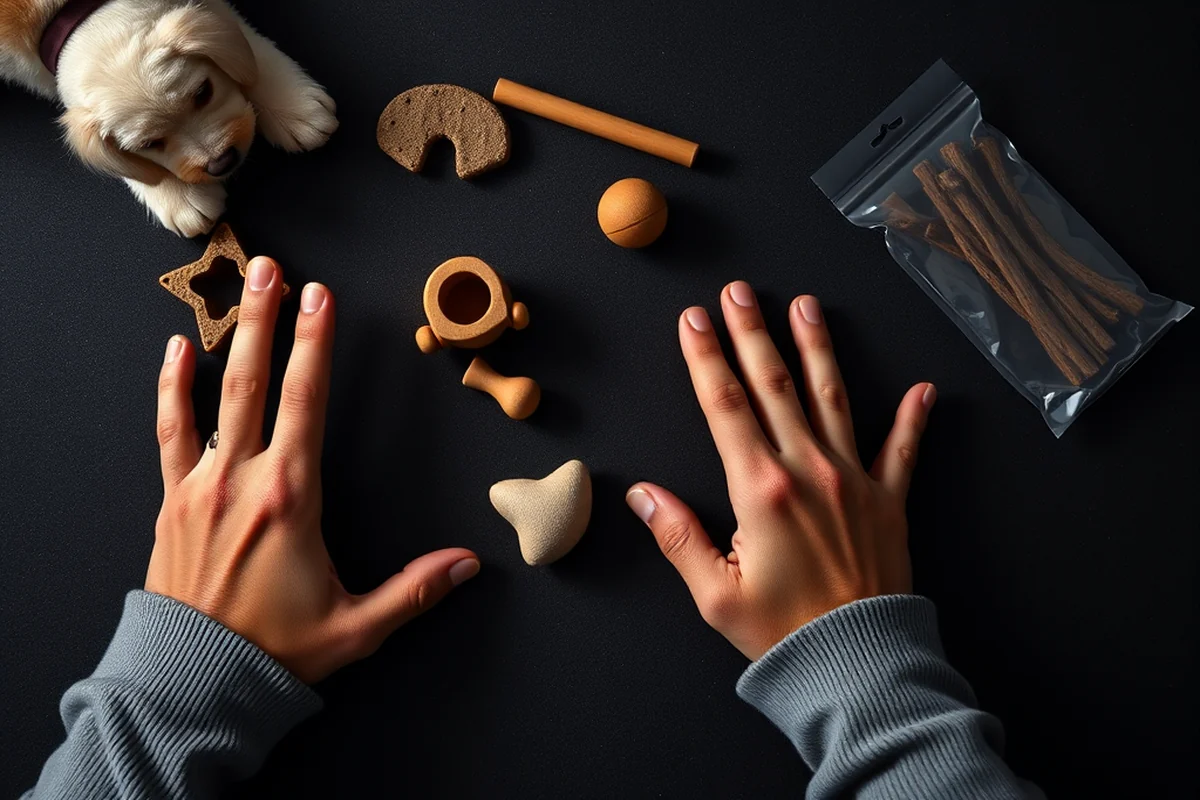
Social interaction is an essential part of enrichment for dogs with dementia. I made sure to spend at least 20 minutes each day playing with Max, talking to him, and giving him gentle affection. This helped him stay emotionally engaged and less anxious.
I also introduced a new puppy into our home when Max was 12. Although it was a challenge at first, the two dogs eventually formed a bond that brought a lot of joy to Max’s life. The younger dog would run around, and Max would sit and watch, which reminded him of his own playful days.
Even if you don’t have another dog, simple interactions like sitting with your dog, reading to them, or engaging in play can help them feel more connected. These moments are powerful and can make a real difference in their mental health.
Sensory Stimulation and Physical Exercise
Sensory stimulation is a key component of enrichment for dogs with dementia. I used a variety of materials, like textured mats and soft brushes, to give Max different sensations under his paws. This not only kept him engaged but also helped him stay grounded in the present moment.
I also made sure to include physical exercise in his daily routine, like short walks and low-impact play. Even though Max’s mobility was decreasing, I found that gentle movement helped him maintain his balance and reduce anxiety.
One of the most effective sensory activities was using a massage ball covered in different textures. Max would roll it around the floor, and the sensation kept him interested and relaxed. These types of activities are simple but powerful for dogs with dementia.
The Role of Music and Calming Aids
I discovered that playing soft, classical music helped Max relax and stay calm, especially during the evening. The sound of a piano or a string quartet seemed to soothe him and reduce his pacing.
I also used a pheromone diffuser, which emits a synthetic version of the calming pheromones that dogs naturally release. This helped reduce his anxiety and made him more responsive to our interactions.
These tools are easy to use and can be a valuable part of a dog’s enrichment plan. I found that combining them with other activities, like scent games or puzzle toys, created a more engaging and calming environment for Max.
Music and pheromones can be a powerful tool for calming a dog with dementia.
Monitoring Progress and Adjusting Activities
I kept a journal to track Max’s behavior, noting which activities he enjoyed and which ones seemed to cause confusion. This helped me adjust our routine as his needs changed over time.
I also found that it was important to vary the types of enrichment we used. If Max started to lose interest in a puzzle toy, I would introduce a new scent game or change the location of his toys to keep things fresh.
Regular check-ins with the vet were also essential. I would talk to them about Max’s progress and ask for their recommendations on new activities or adjustments to his plan. This helped ensure that we were always providing the best care possible.
🦴 Senior Pet
Focus on low-impact activities that preserve mobility and provide mental engagement without overexertion.
🐱 Small Breed
Tailor activities to their size, using compact toys and gentle games that keep them engaged but not overwhelmed.
🐶 Multi-Pet Home
Incorporate socialization and interaction with other pets to enhance emotional and mental stimulation.
💰 Budget
Use free or low-cost resources, like homemade sensory mats or household items for play, to keep enrichment accessible.
✈️ Travel
Choose portable toys and activities that can be easily transported to keep your dog engaged on the go.
| The mistake | Why it happens | The fix |
|---|---|---|
| Overstimulating your dog with too many activities at once. | This can cause confusion and anxiety, which may worsen cognitive symptoms. | Start with one or two activities and gradually introduce new ones as your dog becomes more comfortable. |
| Neglecting the importance of routine. | Inconsistent schedules can increase confusion and stress in dogs with dementia. | Create a structured daily routine and stick to it as much as possible. |
| Using activities that are too physically demanding. | This can lead to injury or exhaustion, especially for dogs with declining mobility. |
Enrichment Activities For.Dogs With Dementia
Common Questions
How often should I engage my dog in enrichment activities?
What should I do if my dog refuses to participate?
Can I use the same activities for multiple dogs in the household?
Are there any safety concerns with enrichment activities for dogs with dementia?
References
- Caring for the Caregivers: Local Program Offers - El Dorado County (eldoradocounty.ca.gov)
- RAISE Family Caregivers Act Initial Report to Congress (acl.gov)
Cite this guide
Senior Pet Cognitive Enrichment (2026). Enrichment Activities For.Dogs With Dementia. https://petgraycare.com/enrichment-activities-for-dogs-with-dementia/
Feel free to cite or share this guide.