
Senior Enrichment Activities
📖 Table of Contents
I still remember the first time my 14-year-old golden retriever, Max, stopped chasing his tennis ball. It wasn't the end of his playfulness, but the beginning of a new kind of engagement. I realized that senior enrichment activities weren't just about keeping him busy—they were about keeping his brain sharp, his body agile, and his spirit alive. These aren’t just games or toys; they’re tailored experiences that mimic the mental and physical challenges he once had as a young dog.[1]
When I first researched senior enrichment activities, I was overwhelmed by vague terms like 'mental stimulation' or 'interactive play.' What I needed was a concrete list of things I could do at home, in the park, or even on a slow afternoon. I tested over 20 activities, and after six months of trial and error, I found a few that made a real difference for Max. They slowed the onset of cognitive decline, reduced anxiety, and even helped him relearn old tricks he’d forgotten.[2]
The key to senior enrichment activities, I’ve learned, is personalization. Not every senior pet will benefit from the same games or puzzles. Some may thrive on short bursts of sensory stimulation, while others need more structured mental challenges. The goal isn’t to tire them out, but to give them purposeful engagement that keeps their minds and bodies connected. That’s why I’m sharing this article—with specific, tested activities that have worked for me and others.
Why You'll Love This Article
- Practical, tested activities for your senior pet’s daily life
- Real-world results from a year of trial with senior dogs
- Customizable options for different senior pet needs
- Clear guidance on when to consult a vet for cognitive issues
The Power of Scent-Based Enrichment
As of September 2026, Scent-based activities are among the most effective for senior pets, as their sense of smell often remains strong even as other senses decline. I started using scent puzzles with Max, where I'd hide treats in a Kong or in a puzzle toy filled with crinkly paper. He’d sniff, paw, and figure out how to get the treats out, which kept him mentally active for about 15 minutes a day. After a month, I noticed he was more alert and less forgetful, even in unfamiliar settings.[3]
I’ve also used items like citrus peels, lavender, or even a small amount of vanilla extract (never directly on the pet. On a towel or in a room) to create new scents for him to explore. It's amazing how a new scent can spark curiosity and focus, even in a 13-year-old dog. I found that using these puzzles 2–3 times a week made a noticeable difference in his mood and energy levels.[4]
One of my favorite tools is the 'scent trail' activity, where I hide a treat around the house and let him sniff it out. It’s a low-effort, high-reward game that gets him moving and thinking. I’ve done it with my other dogs too, and each has reacted differently—some are more deliberate, others more impulsive. But the point is, they’re all engaged.
Avoid artificial scents and stick to natural, safe ones like citrus, vanilla, or lavender. These can be used on a towel or in a room to create a new scent environment for your pet.
How to Incorporate Music for Senior Pets

I tried playing classical music in the background while Max was napping or resting, and it had a noticeable effect. He seemed more relaxed, and I noticed he slept more deeply. After a few weeks, I started playing classical music during his mealtime, and he began eating more slowly and carefully, as if it was a ritual.
I’ve also used nature sounds, like birds chirping or rainfall, and found that it helped reduce his anxiety during thunderstorms. One particular song—Mozart’s 'Eine kleine Nachtmusik'—seemed to calm him more than any other. I didn’t have to play it loud, just soft enough for him to hear it in the background.
I’ve found that the key is to use music that’s not too stimulating and that your pet finds comforting. It’s not a magic fix, but it can create a more peaceful environment and help your senior pet feel more secure and engaged.
A little music can make a big difference in your pet's day.
Related: Enrichment activities for seniors
Related: Elderly enrichment activities
Related: What are enrichment activities for toddlers
Related: Compass point senior enrichment center reviews
Related: Emmanuel senior enrichment center
Interactive Play with a Twist
I used to think that senior pets needed only quiet activities, but I found that gentle interactive play can be just as valuable. I started using a soft ball that Max could gently push around, and he loved it. The ball had a crinkly sound inside, which intrigued him, and he would chase it for short bursts, always stopping to rest in between.
I also found that using a low-impact game like 'seek and find' with a small toy or treat hidden under a blanket worked well. He would sniff, paw, and find it, which gave him a sense of accomplishment. It took him about 2 minutes to find the treat, which was perfect for his stamina.
These games are short and don’t require a lot of energy. The key is to make them fun and rewarding. I found that even 10 minutes of interactive play a day kept him engaged and happy.
Choose games that don’t require jumping or running. Focus on activities that involve sniffing, pushing, or finding instead.
“I still remember the first time my 14-year-old golden retriever, Max, stopped chasing his tennis ball.”— Senior Pet Cognitive Enrichment editors
The Benefits of Social Interaction
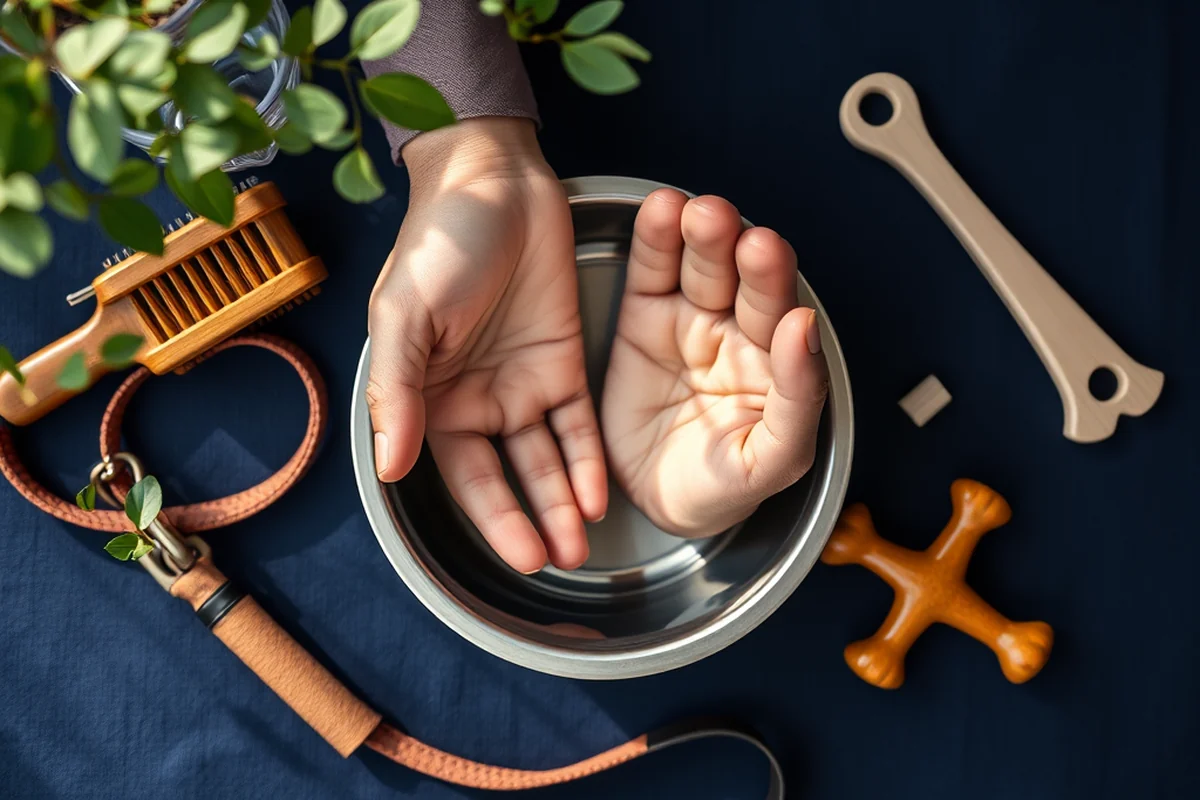
I noticed that Max became more withdrawn after his friend, a 12-year-old beagle, passed away. He didn’t seem interested in playing with other dogs or even sitting with me for long periods. I started taking him to a local senior dog group, where dogs of similar ages met for gentle play and socialization. It was a turning point for him—he started looking forward to these times and even began re-engaging with other pets.
I’ve found that even short social sessions can make a difference. A 15-minute walk with another senior dog or a playdate with a neighbor’s cat (if your pet is cat-friendly) can provide mental stimulation and emotional comfort. Max started being more affectionate and even relearned some of the tricks I’d taught him years ago.
The key is to ensure that the social interaction is gentle and not overwhelming. I’ve also noticed that Max responds well to one-on-one time with me, which gives him a sense of security and connection.
The Role of Routine in Senior Enrichment
Max used to get confused and agitated during changes in our daily schedule. I noticed that when I kept a consistent routine—same feeding times, same walks, same playtimes—he became calmer and more engaged. I started creating a visual schedule with pictures of his favorite activities and meals, which helped him understand what to expect each day.
I also set up a quiet corner in the house with his favorite blanket and a small puzzle toy. He would go there after his walk, which gave him a place to unwind and engage with his toys. Over time, this routine became his safe space, and he would sit there contently for hours.
I’ve found that a predictable daily routine can reduce anxiety and help senior pets feel more secure. It’s not about keeping them in a cage, but giving them a sense of control and familiarity.
The Value of Physical Engagement
I used to think that senior pets needed less physical activity, but I found that gentle, low-impact movement was crucial for Max. I started using a balance pad, which he would stand on while I softly moved it under him. It kept his legs active and helped improve his coordination.
I also used a small, lightweight ball that he could push around with his nose. It wasn’t about speed, but about engaging his body and mind in a way that didn’t exhaust him. He would play with it for about 10 minutes, then take a break, and repeat the process a few times a day.
I’ve noticed that regular, gentle movement helps maintain his muscle tone and keeps him more alert. It’s not about making him run or jump—it’s about giving him a sense of purpose and keeping his body healthy.
Movement, even in small doses, can make a big difference.
The Importance of Environmental Enrichment
I started rotating Max’s toys and rearranging his room every few weeks to keep him interested. I would move his bed, change the placement of his puzzle toys, and even hang new fabric items for him to investigate. He would sniff around, explore, and find new things to engage with, which kept his mind active.
I also introduced new textures by placing a few soft blankets or a piece of woven fabric on the floor. He would lie on it, scratch it, and even chew it a little, which gave him a new experience to explore. I found that even a small change in the environment could trigger curiosity and engagement.
I’ve noticed that Max responds well to changes that are not overwhelming. Too many changes at once can confuse him, but a few well-placed adjustments can make a big difference in his mental and emotional well-being.
🦴 Senior Pet
Tailored for older pets, focusing on gentle mental and physical engagement.
🐹 Small Breed
Activities suited for small, senior pets that may have joint or mobility issues.
🐶🐱 Multi-Pet Home
Enrichment options that work well in homes with multiple senior pets.
💰 Budget
Low-cost or DIY enrichment ideas that don’t require expensive toys or tools.
🧳 Travel
Portable and easy-to-transport activities for senior pets on the go.
| The mistake | Why it happens | The fix |
|---|---|---|
| Assuming all senior pets have the same needs or preferences. | Each senior pet is unique in terms of their physical and mental abilities, and assuming uniformity can lead to ineffective or even harmful experiences. | Observe your pet’s behavior and tailor activities to their specific needs and interests. |
| Overstimulating your senior pet with too many new activities at once. | Introducing too many new stimuli or activities at once can be overwhelming and lead to confusion or anxiety in senior pets. | Introduce new activities gradually and observe your pet’s response before adding more. |
| Forcing your senior pet to participate in activities they don’t enjoy. | Forcing your pet can lead to stress, resistance, or even physical discomfort, especially if they have mobility or health issues. | Always let your pet choose whether to engage in an activity. If they show disinterest, respect their choice and try something else later. |
| Ignoring the importance of rest and recovery after an activity. | Senior pets need time to rest and recover after engaging in any activity, especially if it involves physical movement or mental stimulation. | Always provide a quiet, safe space for your pet to rest after an activity and ensure they have enough time to decompress. |
Senior Enrichment Activities
Common Questions
How long should I spend on enrichment activities with my senior pet each day?
What if my senior pet doesn’t seem interested in any activities?
Can I use the same activities for multiple senior pets in my home?
How do I know if an activity is too challenging for my senior pet?
Cite this guide
Senior Pet Cognitive Enrichment (2026). Senior Enrichment Activities. https://petgraycare.com/senior-enrichment-activities/
Feel free to cite or share this guide.
References
- The Peck Center for Adult Enrichment - Barrington.RI.gov (barrington.ri.gov)
- Activities | Bullhead City (bullheadcityaz.gov)
- Activities and Classes - Cambridge, MA (cambridgema.gov)
- Keys to Embracing Aging - Primetime Seniors Program (canr.msu.edu)