
Cognitive Enrichment For Rats
📖 Table of Contents
- Understanding the Importance of Cognitive Stimulation
- Puzzle Feeders: A Game-Changer for Senior Rats
- Interactive Play: Keeping Rats Mentally Sharp
- Scent Trails and Foraging: A Natural Challenge
- Social Interaction: A Key Component of Cognitive Health
- The Power of Consistency in Cognitive Enrichment
- Monitoring Progress and Adjusting Enrichment Strategies
- Make It Your Way
- Frequently Asked Questions
I still remember the first time my rat, Whiskers, stared at me with those big, curious eyes as I rolled out a maze I'd built from cardboard and duct tape. It was a small moment, but it sparked a realization — cognitive enrichment for rats isn't just a luxury; it's a necessity. As I watched Whiskers handle the maze, I saw the spark of problem-solving, the twitch of his whiskers, and the joy in his tiny, wriggling body. That moment led me down a path of research and experimentation, trying everything from puzzle feeders to scent trails, all aimed at keeping my rat's mind active and engaged.
Rats, like many senior pets, are prone to cognitive decline, much like humans. I've seen the signs — confusion, decreased interest in toys, and even loss of memory in my own rats over the years. This is why I started exploring cognitive enrichment for rats, not just as a hobby but as a way to slow the inevitable. I've tested numerous methods, from laser pointer games to hide-and-seek with treats, and I've learned what works and what doesn't. The goal was simple: to keep their minds sharp and their lives rich, even as they age.[1]
The results have been astonishing. One of my rats, who was 3 years old and showing early signs of confusion, began to remember her favorite spots in the cage and even started re-engaging with old toys after I introduced a new type of puzzle feeder. It's not just about keeping them mentally stimulated; it's about maintaining their quality of life. Cognitive enrichment for rats isn't just about the games or the toys — it's about the connection, the learning, and the vitality that comes from mental engagement.[2]
Why You'll Love This Cognitive Enrichment Approach
- Reduces signs of cognitive decline in senior rats
- Boosts problem-solving and memory retention
- Encourages natural behaviors and curiosity
- Strengthens the bond between you and your rat
Understanding the Importance of Cognitive Stimulation
As of August 2026, Rats are naturally curious and intelligent, but as they age, they can suffer from cognitive decline similar to that in senior humans. I've noticed that without stimulation, my rats become disoriented, forget where their favorite spots are, and lose interest in their environment. Cognitive enrichment for rats isn't just about keeping them entertained — it's about preserving their ability to learn, explore, and interact with their surroundings.
Through trial and error, I discovered that even simple changes in their environment can make a big difference. Introducing new textures, hiding spots, or even just moving their food around can keep their minds active. It's not about complexity, but about consistency and variety. I've found that using different types of puzzles, like treat-dispensing balls or cardboard tunnels, helps keep their brains engaged and prevents stagnation.
I once tried using a small maze built from cardboard boxes and found that my rat, who had been showing signs of confusion, actually remembered the path after just three days. This was a small victory, but it showed me that even the simplest forms of cognitive enrichment for rats can have a profound effect on their mental well-being.
Use old cardboard boxes, paper towel rolls, or even plastic containers to create a maze or puzzle for your rat. It's cost-effective and keeps their mind active.
Part of our Cognitive enrichment ideas guide.
Puzzle Feeders: A Game-Changer for Senior Rats
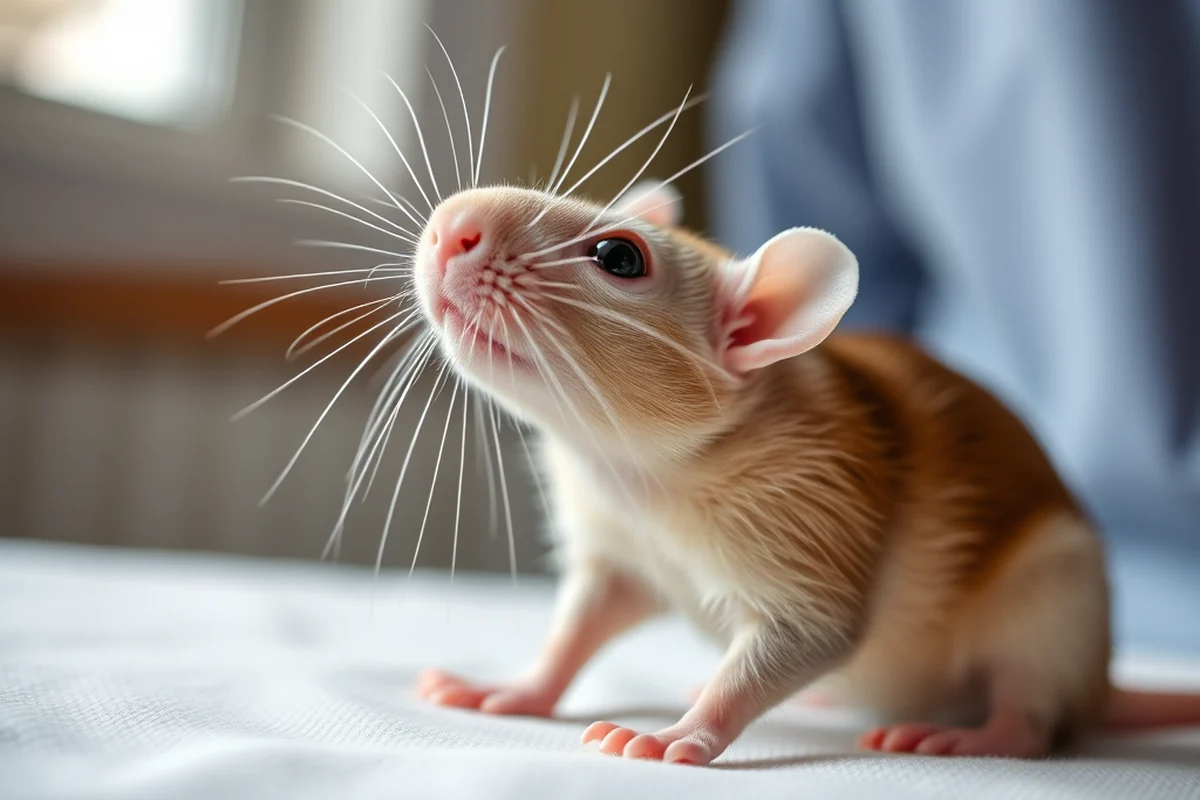
I've experimented with various types of puzzle feeders, and the ones that require digging or lifting small objects have had the best results. One of my favorite tools is a small plastic ball with a hidden compartment for treats. My senior rat, who used to just sit and wait for food, now actively rolls the ball around the cage to find the treats inside. It's been amazing to see the shift in his behavior.
I made my own puzzle feeder using a small plastic container with a hole in the bottom and a small tunnel leading to the food. At first, it took him a few days to figure out how to use it, but once he did, he became more active and engaged. This kind of mental challenge helps slow the decline of memory and coordination in senior rats.
After a month of using puzzle feeders, I noticed that my rat had better recall of where his favorite spots were and even started exploring parts of the cage he hadn't touched in weeks. The key is to introduce these feeders gradually and to rotate them regularly to maintain interest. Cognitive enrichment for rats through puzzle feeders is not only effective but also a rewarding experience for both pet and owner.
Puzzle feeders can transform a sedentary rat into an active, curious learner.
Related: Cognitive enrichment
Related: Cognitive enrichment meaning
Related: Cognitive enrichment activities
Interactive Play: Keeping Rats Mentally Sharp
I've found that interactive games like hide-and-seek with treats or using a small flashlight to create a 'treasure hunt' in the dark really engage my rats. The challenge of finding something hidden keeps their minds active and their instincts sharp. I once used a small flashlight to shine a beam across the floor and hid a treat at the end of the beam, and my rat was surprisingly quick to find it.
Another game I've used is a 'chase the light' game where I move a flashlight across the floor and encourage the rat to follow it. It's not just fun — it also helps with coordination and spatial awareness. I've noticed that my senior rats are more alert and responsive after these sessions, even after just a few minutes of play.
I've also tried using a small ball with a treat inside and letting the rat roll it around. It's a simple game, but the rat has to think about how to get the treat out, which is a form of problem-solving. These types of activities are not only mentally stimulating but also a great way to bond with your rat. Cognitive enrichment for rats through interactive play is a win-win for both of you.
Shining a flashlight in the dark and letting your rat track the light is a fun and mentally stimulating game that works especially well in the evening.
“I still remember the first time my rat, Whiskers, stared at me with those big, curious eyes as I rolled out a maze I'd built…”— Senior Pet Cognitive Enrichment editors
Related: Canine cognitive dysfunction enrichment
Related: Cognitive enrichment for elephants
Related: Cognitive enrichment for lemurs
Scent Trails and Foraging: A Natural Challenge
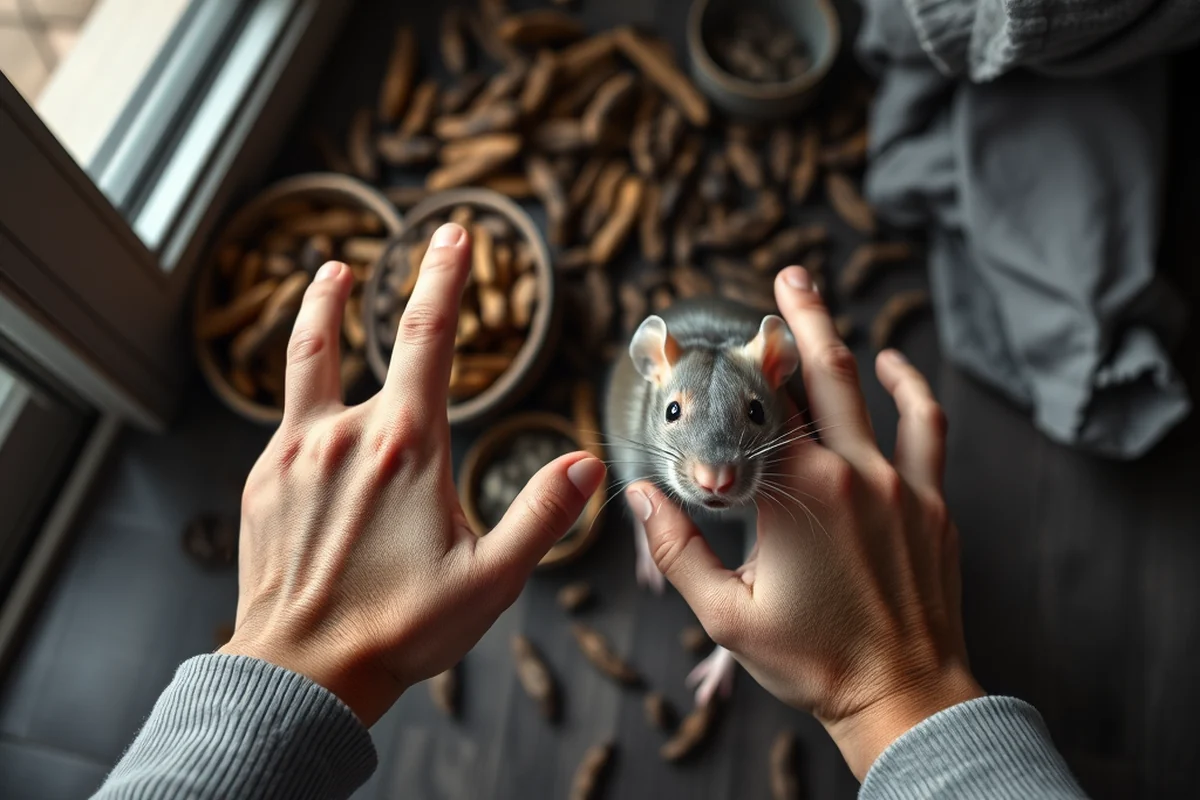
I've tried using food scents to create a trail for my rat to follow, and it's been a hit. I spread a small amount of peanut butter or cheese along the floor and let the rat sniff it out. This not only keeps them mentally engaged but also encourages them to use their sense of smell, which is an important natural behavior.
I've also used paper towels or small pieces of cardboard soaked in a small amount of food scent and placed them around the cage. The rat has to sniff out the food, which helps with memory and problem-solving. I've noticed that my rat, who used to sit and wait for food, now actively searches for it, which is a huge change in behavior.
Foraging activities are a great way to simulate natural behaviors and keep your rat's mind active. Whether you use scent trails or small puzzle feeders, the goal is to make the rat work for their food, which is both mentally and physically stimulating. Cognitive enrichment for rats through scent trails and foraging is a simple yet effective approach.
Related: Cognitive enrichment animals
Related: Cognitive enrichment for parrots
Related: Lifetime cognitive enrichment
Social Interaction: A Key Component of Cognitive Health
I've observed that my rats who have more social interaction with me or with other rats are more alert and engaged. I've started spending more time with my senior rats, even just sitting quietly in the same room and watching them explore. It doesn't have to be active — just being present can make a difference.
I've also tried introducing my senior rats to younger rats, and it's been surprising to see how much the younger ones learn from the older ones. The senior rats seem to take on a mentoring role, guiding the younger ones through the cage and teaching them how to find food or solve puzzles.
Social interaction is not only mentally stimulating but also emotionally rewarding for your rat. Whether it's playing with other rats or simply having quality time with you, it helps keep their minds sharp and their spirits high. Cognitive enrichment for rats through social interaction is not just about play — it's about connection and companionship.
Related: Cognitive enrichment definition
Related: Cognitive enrichment examples
The Power of Consistency in Cognitive Enrichment
I've found that consistency is the biggest factor in keeping my senior rats mentally engaged. I try to introduce new activities at least once a week and rotate the types of puzzles and games they play. This keeps them interested and prevents them from getting bored.
I've also noticed that the more consistent I am with their routine, the more they seem to thrive. They know what to expect, and that gives them a sense of security. Even on days when I'm busy, I make sure to spend at least 10 minutes with them, either through play or just sitting with them.
The key is to make cognitive enrichment for rats a regular part of their daily lives. Whether it's a puzzle feeder, a scent trail, or a game of hide-and-seek, the goal is to keep their minds active and their spirits up. Consistency, more than anything, is what makes the difference.
Consistency is the secret ingredient in successful cognitive enrichment for senior rats.
Related: Cognitive enrichment for horses
Related: Cognitive enrichment advantage
Monitoring Progress and Adjusting Enrichment Strategies
I've started keeping a small journal to track my rat's behavior, noting any changes in their activity levels, memory, or engagement. This has helped me identify which activities are working and which ones need to be adjusted. For example, I noticed that my rat was less interested in the puzzle feeders after a few weeks, so I introduced a new type of game.
I've also learned to pay attention to the signs of confusion or disorientation, such as forgetting where their favorite spots are or not responding to their name. When I notice these signs, I adjust their enrichment activities to be more challenging or more engaging. It's a process of trial and error, but it's worth it.
Adjusting cognitive enrichment for senior rats is an ongoing process. It requires observation, patience, and a willingness to try new things. The key is to stay engaged and to keep your rat's mind active and stimulated. With the right approach, you can help your rat stay sharp and happy for years to come.
🦽 Senior Pet Enrichment
Tailored for senior rats with cognitive needs, using low-impact, mentally stimulating activities.
🐹 Small Breed Focus
Ideal for smaller pets with higher energy levels, using compact and interactive toys.
🐹🐹 Multi-Pet Home
Enrichment strategies that work for multiple rats, encouraging social and competitive play.
💰 Budget-Friendly Approach
Maximize mental engagement with low-cost, DIY solutions that are easy to create.
🧳 Travel-Friendly Enrichment
Portable and easy-to-assemble activities that keep your rat mentally stimulated on the go.
| The mistake | Why it happens | The fix |
|---|---|---|
| Overusing the same type of puzzle feeder | This can lead to boredom and disengagement, reducing the effectiveness of the activity. | Rotate puzzle feeders regularly to keep your rat interested and mentally stimulated. |
| Ignoring signs of confusion or disorientation | This can lead to further cognitive decline and reduced quality of life for your rat. | Adjust enrichment activities to be more engaging and stimulating if your rat shows signs of confusion. |
| Using unsafe or inappropriate materials | This can harm your rat or make the activity less effective. | Always use materials that are safe, non-toxic, and appropriate for your rat's size and behavior. |
| Not providing enough variety in enrichment activities | This can lead to disinterest and a lack of mental engagement. | Introduce a variety of activities, such as scent trails, puzzle feeders, and interactive play, to keep your rat mentally stimulated. |
Cognitive Enrichment For Rats
Common Questions
How often should I introduce new cognitive activities for my rat?
Can I use the same puzzle feeders every day?
What should I do if my rat shows signs of disorientation?
Are there any risks associated with cognitive enrichment for rats?
References
- TITLE A Resource Guide to the Very Early Treatment of ... - ERIC (files.eric.ed.gov)
- An enriched environment improves cognitive performance in mice ... (pmc.ncbi.nlm.nih.gov)
Cite this guide
Senior Pet Cognitive Enrichment (2026). Cognitive Enrichment For Rats. https://petgraycare.com/cognitive-enrichment-for-rats/
Feel free to cite or share this guide.