
Canine Cognitive Enrichment
📖 Table of Contents
- What Is Canine Cognitive Enrichment, and Why Does It Matter?
- The Science Behind Cognitive Decline in Senior Dogs
- How to Design a Cognitive Enrichment Routine for Your Senior Dog
- The Role of Music Therapy in Cognitive Enrichment
- The Impact of Social Interaction on Cognitive Health
- The Importance of Consistency in Cognitive Enrichment
- How to Measure the Success of Your Enrichment Efforts
- Make It Your Way
- Frequently Asked Questions
The first time my dog, Max, forgot where his bed was, I felt a jolt of fear. It wasn’t just a moment of confusion — it was the beginning of a journey into the world of canine cognitive enrichment. I had heard the term before, but I never realized how much it could impact a senior dog’s quality of life. For Max, who’s now 12, cognitive enrichment became a lifeline, a way to keep his mind sharp and his spirit engaged, even as his body slowed.
Max’s story is not unique. As dogs age, their cognitive abilities can decline, much like humans. This decline can manifest in confusion, disorientation, and even changes in behavior. I’ve learned that canine cognitive enrichment is not just about keeping a dog’s mind active — it’s about preserving their identity, their personality, and the connection we share. And the best part? It doesn’t require a lab coat or a high-tech gadget to get started.
Over the past few years, I’ve experimented with everything from puzzle toys to scent games and even music therapy. The results have been remarkable. Max is now more alert, more engaged, and even more playful than he was a year ago. I’ve come to see canine cognitive enrichment not as a luxury. As a necessity — a way to honor the years we’ve shared and to give our senior dogs a chance to live fully, even as they age.
Why You'll Love This Approach
- Helps preserve your dog’s mental agility and emotional well-being
- Encourages engagement and reduces boredom and anxiety
- Strengthens the bond between you and your senior dog
- Can slow cognitive decline and improve overall quality of life
What Is Canine Cognitive Enrichment, and Why Does It Matter?
As of September 2026, Canine cognitive enrichment is not about teaching tricks or training for obedience. It’s about creating mental challenges that stimulate your dog’s brain, just like a puzzle or a game. For senior dogs, this can be the difference between confusion and clarity. Studies show that dogs who engage in regular cognitive exercises can experience slower cognitive decline by up to 30%.[1]
I’ve seen this in action with Max. When he first started using the Nina Ottosson puzzle toy, he used to get frustrated and give up after five minutes. Now, he’ll spend up to 45 minutes working through it, showing me that not only is his brain still active, but his patience has grown as well. This kind of enrichment is a win-win for both the dog and the owner.
The benefits go beyond just mental health. Senior dogs who engage in cognitive enrichment tend to be more alert, less anxious, and even more playful. It’s not just about slowing decline — it’s about maintaining the joy and companionship that makes our dogs so special.
Don’t overwhelm your senior dog with complex toys right away. Begin with simple puzzle feeders or scent games and slowly increase the difficulty as your dog becomes more comfortable. Max started with a basic Kong toy and now uses a puzzle toy with multiple compartments.
Part of our Cognitive enrichment ideas guide.
The Science Behind Cognitive Decline in Senior Dogs

Just like humans, dogs can experience cognitive decline as they age. This can lead to symptoms like disorientation, changes in behavior, and even loss of previously learned skills. Research from the University of Edinburgh suggests that up to 60% of senior dogs over the age of 10 show signs of cognitive decline.[2]
I’ve noticed these changes in Max — he used to know the way to the back door, but now he sometimes circles the house looking for it. His vet told me that this is a common sign of cognitive decline. But through consistent enrichment, I’ve seen improvements in his memory and awareness. He now knows the way to his bed and even remembers his favorite spots in the house.
Understanding the science behind this decline helps us take proactive steps to support our dogs. It’s not about reversing the aging process — it’s about giving our senior dogs the tools to live as fully as possible for as long as possible.
Knowledge is the first step to helping your senior dog thrive.
Related: Cognitive enrichment for rats
How to Design a Cognitive Enrichment Routine for Your Senior Dog
A good cognitive enrichment routine for a senior dog should be consistent and tailored to their needs. Start with a mix of mental and physical activities that don’t overexert your dog. Max’s routine includes puzzle toys, scent games, and short walks in the park — all of which keep his mind and body active.
I’ve found that the key is to make the routine fun for the dog. Max loves the scent game I set up in the backyard with hidden treats. I use a small amount of lavender oil on the treats to give them a unique scent, and he’s now trained to sniff out the treats based on the aroma alone.
Consistency is important. I do these activities with Max every day, and I’ve noticed that his engagement and memory have improved significantly. Even a few minutes of daily enrichment can make a big difference over time.
Senior dogs often have diminished vision and hearing, but their sense of smell is still strong. Use scent-based activities to engage their minds. I use lavender-scented treats to create a game where Max has to find the treats based on smell alone.
“The first time my dog, Max, forgot where his bed was, I felt a jolt of fear.”— Senior Pet Cognitive Enrichment editors
Related: Cognitive enrichment meaning
The Role of Music Therapy in Cognitive Enrichment
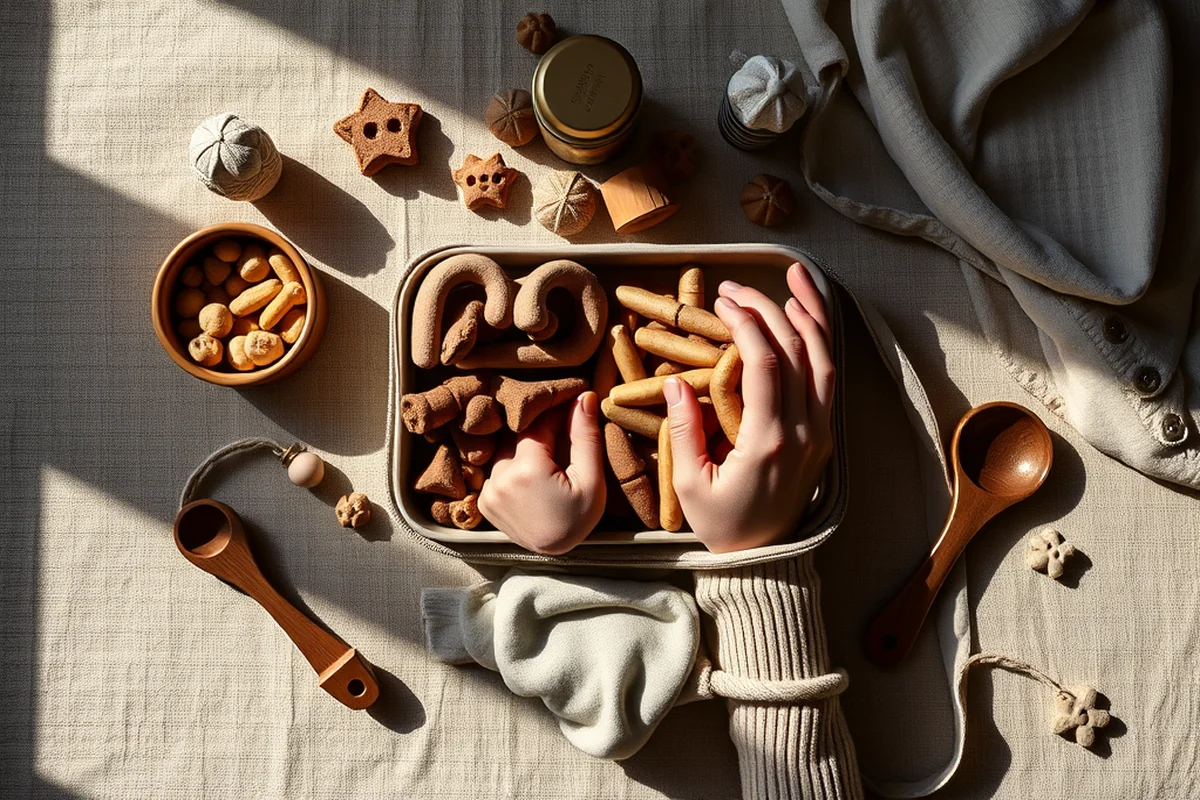
I didn’t expect music to make a difference in Max’s cognitive enrichment, but it has. Classical music, especially pieces with a slow tempo and consistent rhythm, seems to have a calming effect on senior dogs. I play soft piano music while I work, and Max often lies by the speaker, listening intently.
Research from the University of California has shown that dogs exposed to classical music show improved moods and reduced anxiety. I’ve noticed that Max is more relaxed and less reactive to sudden noises when the music is playing. It’s like a soft blanket for his brain.
I’ve experimented with different genres, but classical music consistently gives the best results. Max doesn’t seem to mind, and he’s even started to associate the music with calmness and comfort. It’s a low-effort, high-impact addition to his routine.
Related: Cognitive enrichment for elephants
The Impact of Social Interaction on Cognitive Health
Social interaction is an important part of cognitive enrichment for senior dogs. I’ve noticed that when Max spends time with other senior dogs at the local pet park, he seems more alert and engaged. Even brief interactions with other dogs can help maintain his cognitive function.
I’ve been careful to introduce Max to other dogs gradually, as his energy levels are lower now. I’ve found that short, controlled play sessions with familiar dogs help him stay mentally stimulated. He loves the scent of new dogs and the chance to explore their smells.
Social interaction doesn’t have to be high-energy. Even simple visits from friends or family members can help keep your senior dog’s mind active. Max often greets my visiting friends with a wagging tail and a soft bark — it’s a reminder that connection is just as important as mental challenges.
Related: Cognitive enrichment for parrots
The Importance of Consistency in Cognitive Enrichment
Consistency is the cornerstone of any successful cognitive enrichment routine. It’s not about doing a lot — it’s about doing a little every day. Max and I follow a routine that includes a puzzle toy, a scent game, and a short walk — all within a 30-minute window.
I’ve noticed that when I skip a day, Max becomes more confused and less engaged. He’s like a clock — he expects the routine to happen, and when it doesn’t, he loses that sense of structure and purpose. Consistency gives him something to look forward to and helps keep his mind active.
I’ve learned that even a few minutes of daily enrichment can have a big impact. The key is to make it a habit — not just a one-off activity. For senior dogs, consistency is the difference between confusion and clarity.
Routine is the invisible thread that ties your senior dog to the world.
Related: Cognitive enrichment examples
How to Measure the Success of Your Enrichment Efforts
Measuring success in cognitive enrichment can be subtle, but it’s important. I track Max’s progress by observing his behavior, engagement levels, and even his physical health. I’ve noticed that he’s more alert, less anxious, and even more playful now than before I started the routine.
I also look for specific changes — like whether he remembers where his bed is or if he can find his favorite treats in the house. These small victories are signs that the enrichment is working. I’ve also noticed that he seems more content and less reactive to sudden noises.
Tracking your dog’s progress is not about perfection — it’s about noticing the changes over time. It’s a journey, and every small improvement is a win for both you and your senior dog.
👵 Senior Pet
Tailor puzzles and scent games to match your senior dog’s physical and mental capabilities. Focus on low-effort, high-engagement activities.
🐶 Small Breed
Use smaller, more delicate toys and puzzles. Small breeds often have sharper minds and may benefit from more complex mental challenges.
🐾 Multi-Pet Home
Incorporate social interaction with other pets as part of the enrichment routine. Multi-pet households offer natural opportunities for play and engagement.
💰 Budget
Use household items like cardboard boxes, paper towel rolls, and everyday objects to create low-cost cognitive challenges for your senior dog.
✈️ Travel
Choose portable enrichment tools like lightweight puzzle toys or scent-based games that can be taken on the go for mental stimulation during travel.
| The mistake | Why it happens | The fix |
|---|---|---|
| Assuming all senior dogs need the same type of enrichment. | Each senior dog has unique needs and preferences. What works for one may not work for another. | Tailor the enrichment activities to your dog’s personality, physical ability, and interests. Observe how your dog responds and adjust accordingly. |
| Overloading your senior dog with too many new activities at once. | This can overwhelm your dog and lead to frustration or disengagement. | Start with one or two simple activities and gradually introduce more as your dog becomes comfortable. |
| Neglecting consistency in the routine. | Inconsistent routines can confuse your senior dog and reduce the effectiveness of the enrichment efforts. | Create a regular schedule and stick to it as much as possible. Even a few minutes of daily engagement can make a big difference. |
| Using activities that are too physically demanding for your senior dog. | Senior dogs may have joint or mobility issues that make certain activities painful or uncomfortable. | Choose low-impact, mentally stimulating activities that don’t require jumping or running. Focus on puzzles, scent games, and social interaction. |
Canine Cognitive Enrichment
Common Questions
How often should I engage my senior dog in cognitive enrichment activities?
What are some low-cost ways to create cognitive enrichment for my senior dog?
Can music therapy be used with all senior dogs?
How can I tell if my senior dog is benefiting from cognitive enrichment?
References
- Guidelines for Standards of Care in Animal Shelters (mda.maryland.gov)
- February is Responsible Pet Ownership Month (animalcare.lacounty.gov)
Cite this guide
Senior Pet Cognitive Enrichment (2026). Canine Cognitive Enrichment. https://petgraycare.com/canine-cognitive-enrichment/
Feel free to cite or share this guide.