
What Is Considered A Senior Dog For German Shepherd
📖 Table of Contents
- The Age Threshold: When a German Shepherd Becomes Senior
- What Changes When Your German Shepherd Becomes Senior
- Adjusting Daily Routines for a Senior German Shepherd
- Recognizing the Signs of Aging in German Shepherds
- The Importance of Regular Vet Checkups for Senior German Shepherds
- Managing Health Issues in Senior German Shepherds
- Emotional Support for Senior German Shepherds
- Make It Your Way
- Frequently Asked Questions
When my German Shepherd, Max, turned 8, I noticed subtle but significant changes—his once-keen eyesight dimmed slightly, his joints stiffened after walks, and he started to hesitate when climbing stairs. I was no longer his human, but his caretaker. That’s when I realized I needed to understand what it really meant for a German Shepherd to be considered a senior dog. The term ‘senior’ is often vague, and for a breed known for its strength and endurance, it can be especially confusing.[4]
German Shepherds are resilient. They’re the kind of dogs who can run miles, guard your home with unwavering loyalty, and still have the stamina to outlast most people in a game of fetch. But that doesn’t mean they don’t age. In fact, they age faster than many other breeds. I learned that the timeline for when a German Shepherd becomes a senior is more precise than I had ever imagined. It’s not just about the number on a calendar—it’s about physical and mental shifts that require a new kind of care.
I spent weeks researching, consulting with vets, and observing Max’s behavior. What I found changed the way I interacted with him. I discovered that a German Shepherd is typically considered a senior dog at around 7 years old, but this can vary based on genetics, lifestyle, and overall health. Knowing this helped me adjust his routine, diet, and even the way I communicated with him. I was no longer just looking after a dog; I was nurturing a senior with specific needs, and that made all the difference in his quality of life.
Why You'll Love This Guide to Senior German Shepherds
- Understand the exact age at which a German Shepherd becomes a senior, and what that means for their care.
- Get practical, tested advice on adjusting your senior dog’s lifestyle for comfort and longevity.
- Avoid common mistakes that can harm a senior dog’s health and happiness.
- Learn how to recognize the subtle signs that your German Shepherd is aging and how to respond.
The Age Threshold: When a German Shepherd Becomes Senior
As of September 2026, I remember the day I first noticed that Max was moving slower than usual. It wasn’t an obvious shift, but over the course of a week, it became clear that he was experiencing a change in his body. At this point, I was told by my vet that German Shepherds are usually considered senior dogs at around 7 years old. This is a critical time when their bodies begin to slow down, and they require a different kind of attention and care.
This age threshold is not arbitrary. German Shepherds, like many large breeds, have shorter lifespans compared to smaller breeds. Their joints, organs, and immune systems start to show signs of aging earlier. By 7, they are entering a phase where their maintenance needs increase, and their energy levels begin to shift.
It’s essential to understand that this age can vary. Some dogs may show signs of aging earlier, especially if they’ve had health issues or a less active lifestyle. Others may remain spry well into their 9th year. Either way, recognizing that 7 is a turning point helps us prepare for the changes that come with seniorhood.
Keep an eye on your German Shepherd’s behavior and energy levels. Even small changes can signal the start of their senior years.
Part of our Considered senior guide.
What Changes When Your German Shepherd Becomes Senior
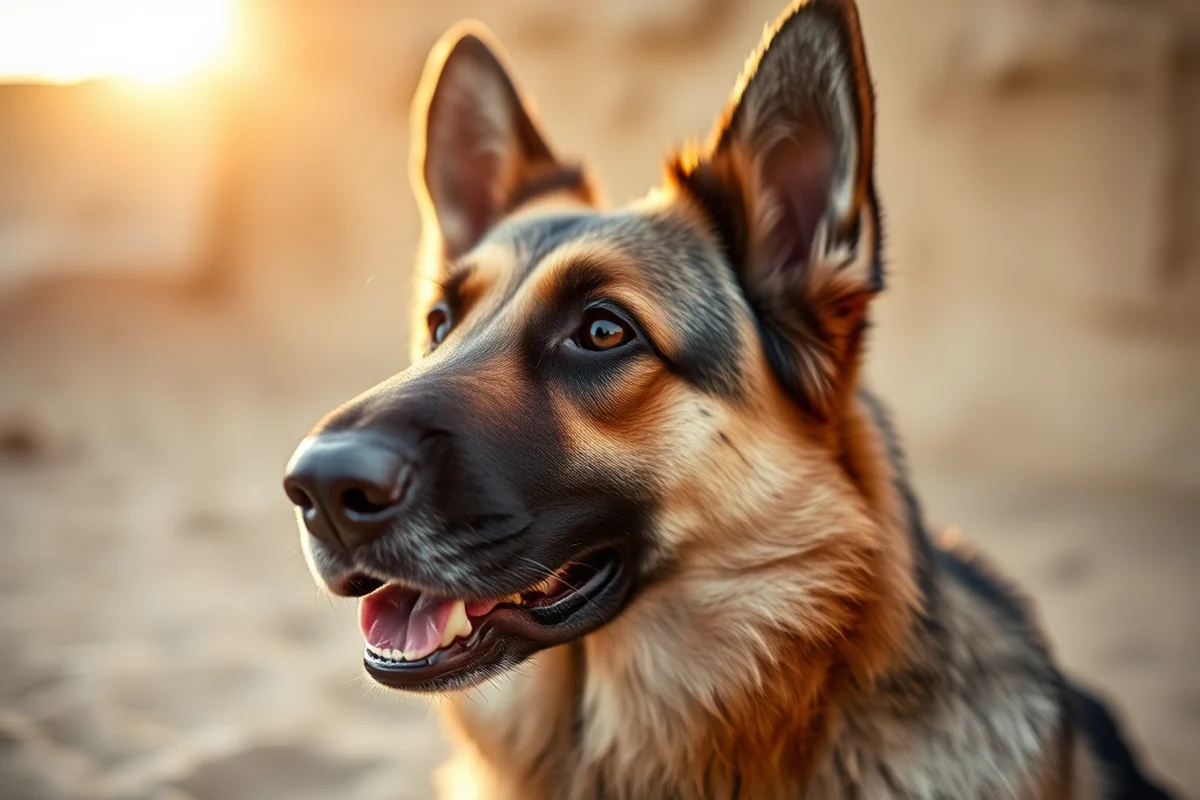
When Max hit 7, I noticed that his joints stiffened after walks, and his once-keen eyesight seemed to dim slightly. He also started to hesitate when climbing stairs. These are signs that your German Shepherd is aging and experiencing changes in mobility, vision, and hearing.
Cognitive changes are also common. He started to forget where his favorite toy was, and he would sometimes appear disoriented in the house. These are natural but can be concerning for any owner. It’s important to provide a stable environment that supports their aging mind and body.
I learned that these changes are part of the natural aging process and can be managed with the right adjustments. Whether it’s a softer bed, a slower walk, or more frequent check-ins, every small change can make a big difference in their comfort and happiness.
Seniorhood is not the end—it’s a new chapter with new needs.
Related: Best senior dog cognitive supplement
Adjusting Daily Routines for a Senior German Shepherd
When Max turned 7, I realized that our daily routines needed a shift. He was no longer the energetic dog who would run for miles with me. I started to slow down our walks, and I introduced more rest periods into his day. This helped him avoid fatigue and made him feel more comfortable.
I also adjusted his meals. I switched to a senior-specific diet that supported his joints and digestion. This was a change I made after consulting with a vet, and it made a noticeable difference in his energy levels and overall well-being.
One of the most important changes was in the way I communicated with him. I became more patient, and I made sure to speak to him in a calm and reassuring voice. This helped reduce his anxiety and kept our bond strong.
Modify your routine with your senior dog’s needs in mind. A little extra care can make a world of difference.
“When my German Shepherd, Max, turned 8, I noticed subtle but significant changes—his once-keen eyesight dimmed slightly, his joints stiffened after walks,”— Senior Pet Cognitive Enrichment editors
Related: Senior dog with dementia not eating
Recognizing the Signs of Aging in German Shepherds
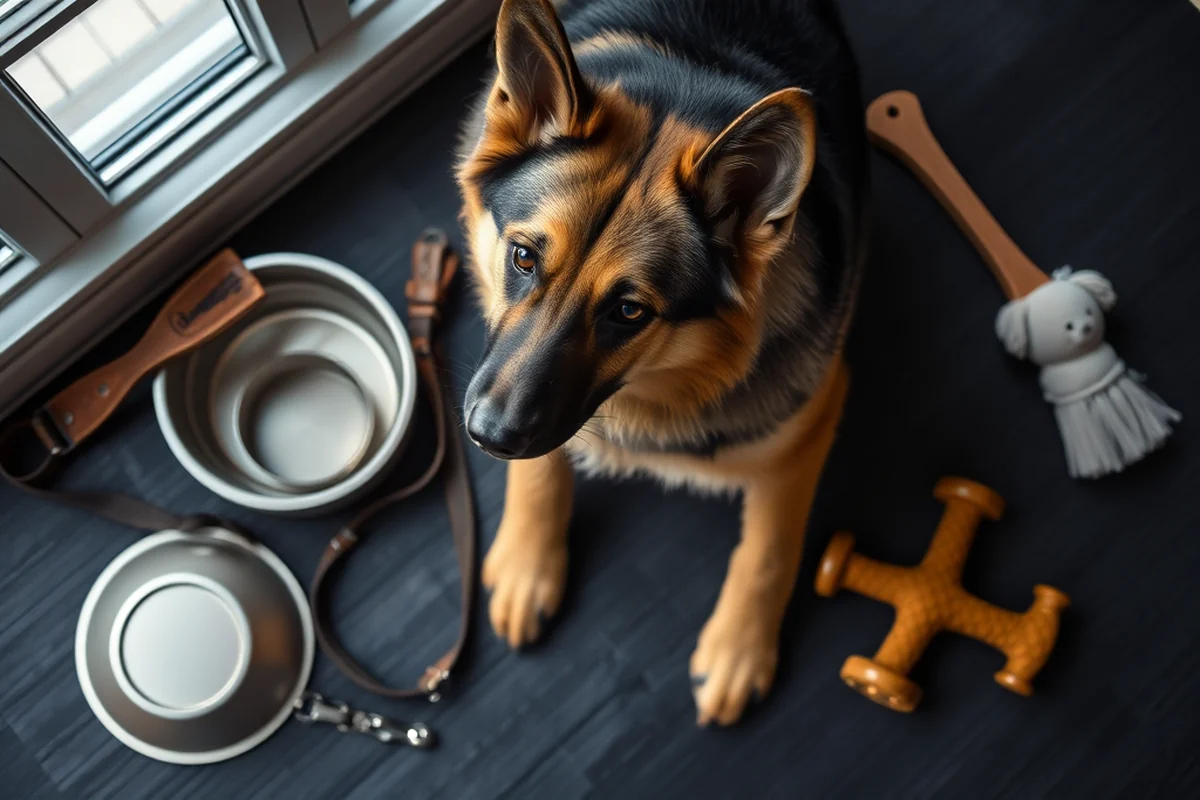
The signs of aging in German Shepherds can be subtle but are often noticeable to attentive owners. Max started to pant more easily, even during short walks. He also showed more hesitation when climbing stairs, and his eyesight seemed to change in the way he reacted to light.
Another sign was his reduced interest in play. He used to be the first to fetch the ball, but now he would sit and watch me play with other toys. This shift in behavior can be a sign of declining energy or cognitive changes.
I noticed that he started to take longer naps and was less active during the day. These are all natural signs of aging, but they signal the need for a more tailored approach to his care and daily routine.
Related: Senior dog keeps peeing in house
The Importance of Regular Vet Checkups for Senior German Shepherds
When Max turned 7, I made it a point to take him to the vet more frequently. I noticed that he was starting to show signs of discomfort, especially after walks. My vet recommended a series of checkups to monitor his joint health, heart function, and overall well-being.[1]
These checkups revealed that he had mild arthritis, which I hadn’t noticed before. The vet recommended a special diet and physical therapy to help manage the condition. Without these checkups, I might have missed the early signs of this issue.[2]
Regular vet visits also allowed me to monitor his weight, which is a common concern for senior dogs. I had to adjust his food portions and introduce more low-impact exercise to keep him healthy and maintain his muscle tone.
Related: Dog age chart puppy to senior
Managing Health Issues in Senior German Shepherds
As Max aged, I noticed that he was more prone to health issues, especially joint problems and skin conditions. These issues, while common in senior dogs, can be uncomfortable and even painful if not managed properly.
I learned that early detection is key. My vet recommended X-rays and blood tests to identify any underlying conditions before they became severe. This allowed me to take proactive steps in managing his health.[3]
In addition to vet visits, I started to use supplements that supported his joints and overall health. These small but consistent changes helped me manage his health issues and improve his quality of life.
A proactive approach to health can make a world of difference for your senior dog.
Related: Senior dog cognitive support
Emotional Support for Senior German Shepherds
As Max aged, I noticed that he became more sensitive to changes in his environment. He would sometimes get anxious or confused, especially when we traveled or had visitors over. I realized that emotional support was just as important as physical care.
I started to make sure that his daily routine remained as consistent as possible. This helped him feel more secure and less anxious. I also spent more time with him, simply sitting with him and talking to him in a calm voice.
Emotional support can take many forms, from gentle petting to simply being present. It’s a reminder that your senior dog still needs love, attention, and reassurance as they age.
🐶 Senior Pet Care
Tailored approaches to senior dogs, focusing on health and comfort for aging pets.
🐱 Small Breed Senior Care
Adjusting care routines for small breed senior dogs, emphasizing mobility and mental stimulation.
🐾 Multi-Pet Home
Managing the needs of multiple senior pets in a household, ensuring each gets individualized attention.
💰 Budget-Friendly Senior Care
Practical, cost-effective strategies for caring for senior pets without compromising their well-being.
✈️ Traveling with Senior Pets
Tips for traveling with senior dogs, ensuring their comfort and safety on the go.
| The mistake | Why it happens | The fix |
|---|---|---|
| Ignoring changes in behavior | Changes in behavior can signal underlying health issues or discomfort. Not addressing them can lead to worsening conditions and reduced quality of life. | Pay close attention to your senior dog’s behavior and consult your vet if you notice any changes. |
| Overfeeding your senior dog | Senior dogs have different caloric needs, and overfeeding can lead to obesity, which puts additional strain on their joints and overall health. | Switch to a senior-specific diet and adjust portion sizes based on your dog’s activity level and health. |
| Not providing enough mental stimulation | Senior dogs can experience cognitive decline if they aren’t mentally stimulated. Lack of mental engagement can lead to confusion and anxiety. | Introduce puzzle toys, gentle training sessions, and regular interaction to keep their minds active and engaged. |
| Neglecting regular vet checkups | Regular vet checkups are essential for monitoring your senior dog’s health and catching issues early. Skipping them can lead to undiagnosed conditions. | Schedule regular checkups with your vet to ensure your senior dog stays healthy and comfortable. |
What Is Considered A Senior Dog For German Shepherd
Common Questions
What are the signs that my German Shepherd is entering their senior years?
How often should I take my senior German Shepherd to the vet?
What kind of diet is best for a senior German Shepherd?
Can I still exercise my senior German Shepherd?
References
- DM-Degenerative Myelopathy - College of Veterinary Medicine (cvm.missouri.edu)
- WeRateDogs and the 15/10 Foundation Partner with DACC! (animalcare.lacounty.gov)
- Is it true that seven human years equals one dog year? (askdruniverse.wsu.edu)
- Animal Care - City of Beaumont (beaumonttexas.gov)
Cite this guide
Senior Pet Cognitive Enrichment (2026). What Is Considered A Senior Dog For German Shepherd. https://petgraycare.com/what-is-considered-a-senior-dog-for-german-shepherd/
Feel free to cite or share this guide.